 EN
EN
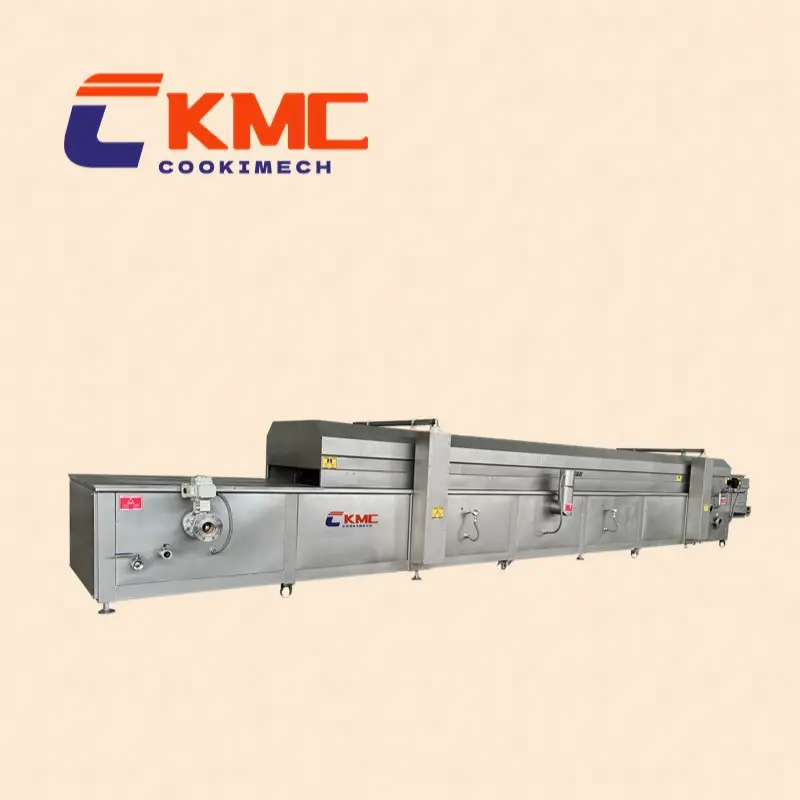
Why Industrial Fryer Efficiency Peaks with Batch Frying Systems
Batch industrial frying systems in industrial fryers really boost efficiency because they manage heat so precisely and automate things just right. When these machines process set amounts each time, they actually save resources compared to running constantly. Continuous operations tend to waste energy since there's always heat loss when not actively frying, plus problems with uneven loads and oil breaking down over long periods. The batch approach prevents all that buildup of inefficiencies that happen during those extended runtime sessions.
Thermal Optimization and Energy Recovery in Batch Frying
The heat retention capabilities of batch systems are pretty impressive when it comes to saving energy. With good insulation keeping the oil at consistent temperatures throughout multiple cycles, these systems can cut down on reheating needs by around 25 to maybe even 35 percent compared to those old fashioned open vats. Some newer models have taken things a step further with exhaust heat recovery features. They basically take all that wasted heat from the cooking process and put it back to work, either warming up fresh oil or heating water for the facility. This creates what's called a closed loop system which really brings down operating expenses over time. Food processors should take note since frying equipment typically eats up about 40% of their overall energy consumption according to recent industry reports. And there's another benefit too: better inline oil filtration means the oil lasts longer before needing replacement, so restaurants and food manufacturers end up throwing away roughly half as much used oil as they did before implementing these improvements.
Automated Feeding, Discharge, and Digital Temperature Control for Cycle-Time Reduction
When it comes to integrated automation, there's just less need for hands-on work because of those programmable loading and unloading sequences. Plus, the system adjusts oil temperatures in real time with about a one degree Fahrenheit accuracy range, and uses artificial intelligence to optimize cycles based on how dense and moist the products actually are. All this coordination means no wasted time between batches and keeps production moving at an even pace. According to field tests we've run, these automated systems cut down on cycle times somewhere around 20 to maybe 25 percent while still maintaining all the required quality standards and safety requirements that any serious manufacturer needs to meet.
How Batch Frying Ensures Product Consistency Across Batches
Uniform Heat Distribution and Mechanical Agitation for Even Cooking
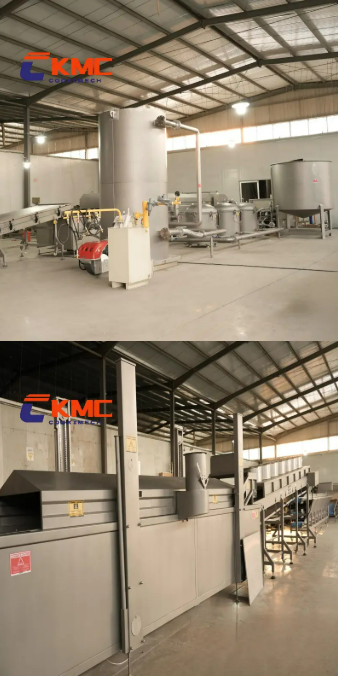
Batch systems give consistent outcomes because they're designed for even heat distribution and proper mechanical mixing. When the oil circulates properly, it keeps temperatures within about 2 degrees Fahrenheit across the whole cooking area. This means no more cold spots or burnt edges showing up in the final product. The paddles rotate gently every 45 to 60 minutes, making sure everything gets cooked evenly without letting the oil separate out. Oil separation is actually a big problem in continuous systems since different products have different weights and densities that mess with how heat spreads. The end effect? Moisture levels stay pretty much the same throughout, dropping below 5% compared to around 15% when there's no agitation happening. That makes a real difference in how the food feels, looks, and stays fresh after packaging.
Batch-Level Parameter Locking and Real-Time Monitoring for Quality Assurance
With digital controls in place, operators can actually lock down those important parameters like oil temperature, how long things sit there, and the speed of agitation for each individual batch. When these settings get locked in, they stay put throughout the whole process. This helps cut down on mistakes people might make with timing, plus it avoids problems caused by tired workers or different shifts taking over. Smart sensors connected through the internet keep an eye on things like oil quality breaking down over time, specifically watching out for stuff like polar compounds building up, as well as tracking how colors develop in products as they go through processing. These sensors send warnings whenever something crosses into dangerous territory. According to what we see across industries, this kind of system manages to hit around 98 percent consistency between batches. Plus it creates detailed records that companies can audit later for all their regulatory requirements and compliance paperwork needs.
Scalable Industrial Fryer Solutions: Matching Capacity to Production Needs
The scalability factor really stands out in batch frying systems thanks to their modular setup. These aren't like those fixed capacity machines where expansion means buying entirely new equipment. Instead, operators can swap out parts such as tanks, heating elements, and filters depending on what the production needs are at any given time. For instance, a basic line might handle around 50 kilograms per hour but just by adding another cooking module side by side, it jumps up to over 400 kg/h. Big operations often go even further with multiple lanes running simultaneously that can reach outputs measured in tons per hour while still keeping space requirements tight and heat distribution efficient. What makes this approach so smart is how it maintains good energy efficiency rates below half a kilowatt per kilogram regardless of size configuration. Independent tests on similar modular food processing setups back this claim up pretty well too. The flexibility here helps businesses avoid getting stuck with underutilized capacity, cuts down upfront costs somewhere between thirty to sixty percent compared to conventional fixed scale solutions, and lets companies grow their capacity incrementally right when business demands actually increase.
Key Considerations When Selecting an Industrial Fryer with Batch System
Material Compatibility, Sanitary Design, and Regulatory Compliance (FDA, CE)
The best fryers on the market today are made completely from food grade 304 stainless steel because it stops corrosion problems and keeps chemicals from leaching into food products. When looking at construction details, full radius welds matter a lot since they help meet those strict FDA sanitation requirements while also making sure bacteria doesn't hide in hard to clean spots. If these machines need to work across borders, getting CE certification becomes important as it shows compliance with EU machinery rules. This includes things like pressure safety systems that actually work when needed and thermal cutoff devices that have been tested separately. And let's not forget about NSF/3A certification which absolutely must be present for anything that touches food directly. Without this, there's always risk of contamination from materials that absorb stuff or joints that create cleaning challenges nobody wants to deal with.
Integration Readiness with Existing Lines and IoT-Enabled Predictive Maintenance
When looking at system connections, OPC UA and MQTT protocols work pretty well for getting everything lined up between the upstream batterers and those downstream packaging lines. Most retrofit designs these days can plug right into big PLC platforms like Rockwell or Siemens without needing extra software layers in between. The real game changer comes from those built-in IoT sensors that monitor things like oil thickness, dirt buildup, and how the heating elements are holding up. These sensor readings go into prediction models that actually spot potential breakdowns over three days ahead of time. Plants using this approach see about a 41% drop in unexpected shutdowns versus just following maintenance schedules based on dates (according to Food Processing 2023). Standard API access makes it possible to hook into the main SCADA system across the whole facility. This lets operators keep an eye on equipment health, track energy usage patterns, and watch production efficiency metrics all from one central location.
FAQs
What are the efficiencies of batch frying systems?
Batch frying systems improve efficiency by managing heat precisely and automating frying processes, which saves resources compared to continuous operations that may waste energy and cause oil degradation over time.
How does batch frying ensure consistent product quality?
Batch frying systems ensure consistent quality through even heat distribution and mechanical agitation, preventing cold spots or burnt edges and maintaining consistent moisture levels.
Why is modularity important in batch frying systems?
Modularity allows flexibility in production capacity, enabling operators to expand or adjust systems based on production needs without buying entirely new equipment, which reduces costs significantly.
How do batch frying systems aid in energy conservation?
Batch industrial frying systems conserve energy through thermal optimization with good insulation and heat recovery systems that reuse wasted heat for efficient operations.