 EN
EN

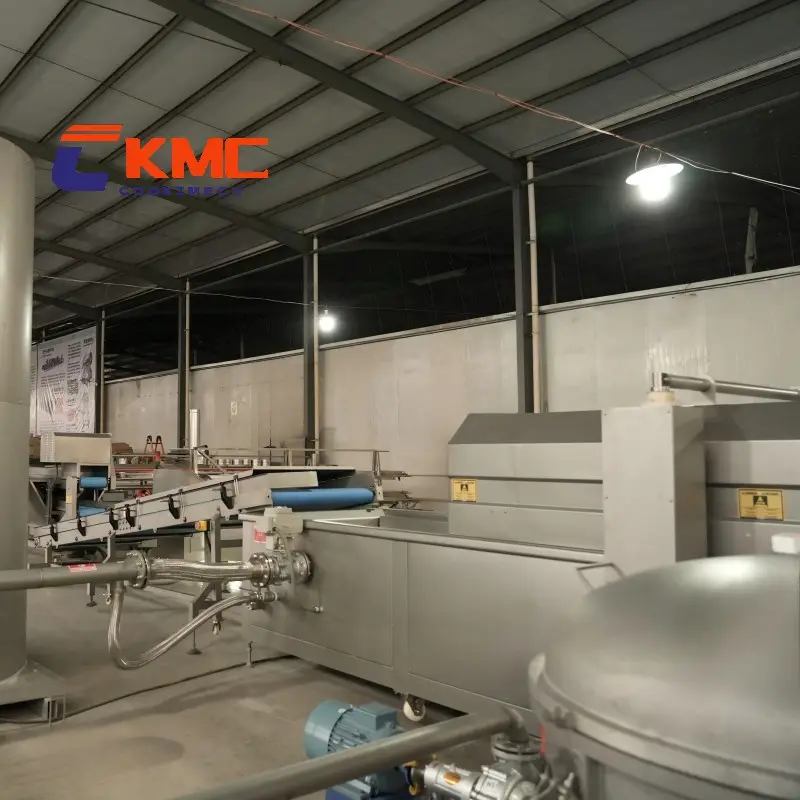
ההנדסה התרמית של טיגון תעשייתי : השגת טמפרטורת שמן אחידה ומעבר חום

טיגונים תעשייתיים מתקדמים שומרים על טמפרטורת השמן בתוך טווח של ±0.5°מ במהלך ייצור רציף, בזכות הנדסת דיוק – מה שמבטיח תוצאות בישול אחידות ללא תלות בגודל הסדרה או משך הפעולה.
יציבות מקלחת השמן מבוקרת על ידי PID בתוך טווח של ±0.5°מ לאורך משמרות ממושכות
מערכת בקרת ה-PID ממשיכה לבדוק ולכוונן את גופי החימום כל 50 מילישניות בערך, מה שעוזר להילחם בתנודות הטמפרטורה המעצבנות כאשר מוצרים נטענים למערכת. תרמוסטטים מסורתיים פשוט לא יכולים להתמודד עם מה שהטכנולוגיה הזו עושה. היא למעשה מתאימה את עצמה לדברים כמו איך השמן מתעבה ככל שהלחות מתאדה, מטפלת בזמן ההשהיה לאחר הכנסת מזון קר לשמן חם, ואפילו מתחשבת בהפרשי הטמפרטורה היומיים בין משמרות הבוקר והלילה. שינויים קטנים וקבועים אלה מונעים בעיות כמו מרכזים גולמיים או משטחים שרופים. האוכל יוצא נראה טוב וטעים כל היום, לאורך כל 12 שעות הייצור.
הקטנת ההתמדות התרמית באמצעות גאומטריה מותאמת של המיכל ומיקום מיטבי של אלמנטי החימום
תצורה זו מאפשרת שחזור מהיר של הטמפרטורה תוך 8 שניות לאחר טעינת המוצר. האינרציה התרמית המזערית מאפשרת נפח קטן יותר של שמן לשמור על ערכי היעד, ומביאה ליצירת חיסכון באנרגיה של 22% בתהליך עיבוד גזרי תפוחי אדמה קפואים.
הובלה מדויקת של חומרים: מערכות מסוע דו-רשתיות להבערה אחידה של המוצר
הסרת אזורי צל וחפיפה באמצעות התאמת זמנים של שכבות הרשת המוסנכרנות
מגבים תעשייתיים מושגים תוצאות עקביות הודות למערכות ремס הכפולות שפועלות על בסיס מחזורי זמן. רשת הרצועה העליונה מעניקה למזון אפקט דמוי ציפה, כך שהמוצרים לא מתאגדים זה על זה, בעוד שריצפת הרצועה התחתונה מובילה את כל המוצרים באופן יציב דרך מקטעי חום שונים. הקמה הזו מפחיתה ביסודיות את נקודות הצללים המטריחות, שבהן חלקים מסוימים עלולים שלא לקבל כיסוי שמן מספק. כאשר כל המוצרים נשארים מיושרות כראוי במהלך процесс הגיבוב – בין אם מדובר בבטטה מבושלת או בקציצות עוף – כל партиיה מקבלת את אותו מיקום וזמן בשמן חם. במפעלים שלא הצליחו לכייל את הזמנים שלהם, כ-34% מהמוצר יוצאים חלשים מדי באזורים הבעייתיים הללו. עם זאת, באמצעות התאמת פעולת הרצועות הכפולות, ניתן להוריד את שיעור אי העקביות למטה מ-3%, גם במהלך משמרות ארוכות של 12 שעות, ללא הפסקה.
בקרת מהירות משתנה המותאמת לתפוקה, לשיקום השמן ולמילוי מחדש של המשטח
מערכות טיגון מודרניות יכולות להתאים את מהירות הרצועה בהתאם למה שהן מזהות בבדיקות צמיגות השמן ובציוד למדידת חלקיקים. כשמספר המנות גדול, השמן נספג מהר יותר, ולכן המכונות הללו בדרך כלל מפחיתות את מהירות התנועה של המזון דרך המערכת ב-15 עד 22 אחוזים. האטיה הזו מאפשרת לשמן להשתקם כראוי ונותנת זמן ליציבות הטמפרטורה, כך שקצב העברת החום נשאר בין 300 ל-350 וואט למטר רבוע קלווין גם כאשר עומס העבודה עולה. לאחר שהשמן משתקם מהר יותר, מהירות הרצועה עולה שוב, ומגלה את הנקודה האופטימלית בין יעילות עבודה לתנאי טמפרטורה הנדרשים לשם יצירת קרום זהוב מושלם ללא היווצרות בועות.
אינטליגנציה תהליכית: ניטור בזמן אמת ופרמטרי טיגון מותאמים
מגשיות תעשייתיות מודרניות שומרות על טעם אחיד של כל אצווה הודות לחיישנים מובנים למדידת הטמפרטורה, משך הבישול וזרימת השמן, אשר אוספים מידע באופן מתמיד לאורך כל ריצת הייצור. כאשר הטמפרטורות עולמות את הסטיה של פלוס או מינוס שני מעלות צלזיוס, המערכת מבצעת שינויים מיידיים בהגדרות המבעיר, במהירות סרט הניעור או באופן שבו השמן זורם סביב המזון – דבר המונע מהמזון להיות לא מבושל בפנימה או נשרף בצד החיצוני. כל המערכת פועלת כמערכת משוב, שבה הכמות של חום המופעלת מתאימה בדיוק לצרכים של המוצר, בהתבסס על גורמים כגון רמת הרטיבות שלו והצפיפות שלו. זה עוזר לפצות על מצבים בהם הרכיבים נכנסים לטיפול בטמפרטורות התחלתיות שונות מאלו שנצפו. בינתיים, ניתוח בזמן אמת עוקב אחר סימנים של פירוק השמן, תוך התמקדות ספציפית ברמות החומצות השמניות החופשיות. ברגע שהרמות הללו מגיעות לסף מסוים, המכונה מתחילה באופן אוטומטי את מחזור הניקוי שלה, כדי להבטיח העברת חום תקינה ללא צורך באדם שיעמוד ויראה על הכל. כל הטכנולוגיה החכמה הזו מצמצמת את הפסד המוצרים בכ־18 אחוז, ומשמרת את הצבעים והטקסטורות בתוך טווח דקיק (הבדל של כ־1.5 יחידות Delta E), ללא קשר לאורך או לעומס של קו הייצור.
ביצוע מוכח: אימות טיגון תעשייתי עם חתיכות תפוחי אדמה קפואות
מקרה מחקר של Qingdao Cookimech: הפחתה של 92% בשונות הצבע (ΔE < 2.1)
חטיפי תפוח אדמה קפואים מתאימים מאוד לבדיקת מקלחות תעשייתיות, מכיוון שהם נוטים לספוג שמן באופן לא אחיד ולתת תגובה שלילית לשינויי טמפרטורה פתאומיים. חברה מובילה בתחום המזונות הקפואים עדכנה לאחרונה את הציוד שלה באמצעות בקרות טמפרטורה משופרות ומערכות מסגרת חדשות להעברת המוצרים דרך המקלחת. לאחר ביצוע הבדיקות, הם צפו בתוצאה מרשים: ירידה של כמעט 92% בשונות בצבע בין מנות (ΔE מתחת ל-2.1). עבור מי שלא מוכיר את המושג, ערך זה חשוב ביותר, מכיוון שערך מתחת ל-3.0 פירושו שרוב האנשים כלל לא יבחינו בהבדל חזותי. התוצאות? כמעט כל הפלט שלהם יצא באורח עקבי בצבע חום זהוב, ביחס של כ-98.3%, מה שפחית את הפסולת הנובעת ממוצרים בעלי צבע לא תקין. שיפורים אלו מדגימים עד כמה השפעה רבה יש לאופטימיזציה תקינה של מקלחות כאשר מתמודדים עם בעיות כגון גבישים לא אחידים של קרח במוצרים קפואים. בנוסף, ניתוח פרופילים תרמיים לאורך משמרות מלאות של 12 שעות גם כן העלה ביצועים יציבים לאורך זמן, מה שמאשר כי מכונות אלו מסוגלות לעמוד בדרישות הייצור המוני ללא כל מאמץ.
שאלות נפוצות
מהי היתרונות העיקריים של מערכות בקרת PID במח fryers תעשייתיים?
מערכות בקרת PID מבטאות שימור מדויק של הטמפרטורה על ידי התאמות מתמידות למשתנים כגון צמיגות השמן ושינויים בעומס, ובכך מונעות בעיות כמו בישול לא אחיד.
איך גאומטריית המיכל משפיעה על ההתמדות התרמית במח fryers?
גאומטריית מיכל מאופטמת, כגון עיצובים משושים, יוצרת מסלולי זרימה טורבולנטיים שמבטלים אזורים קרים ומשפרים את הפצת החום, ובכך מפחיתה באופן משמעותי את ההתמדות התרמית.
אילו תפקיד ממלאות מערכות הובלה דו-רשתיות באחידות הבישול במח fryers?
מערכות הובלה דו-רשתיות ממזערות את האזורים הצלליים ואת הצטברות המוצריים, ומבטאות חשיפה אחידה לחום, ובכך מפחיתות אי-אחידויות בתוצאות הבישול.
איך תורמת הניטור בזמן אמת לתהליכי הבישול התעשייתי?
הניטור בזמן אמת מאפשר התאמות מיידיות בפרמטרי הבישול, ומבטיח איכות מוצר אחידה ופחת בפסולת.