 EN
EN
Why Automatic Industrial Fryers Are Essential for Modern Food Manufacturing
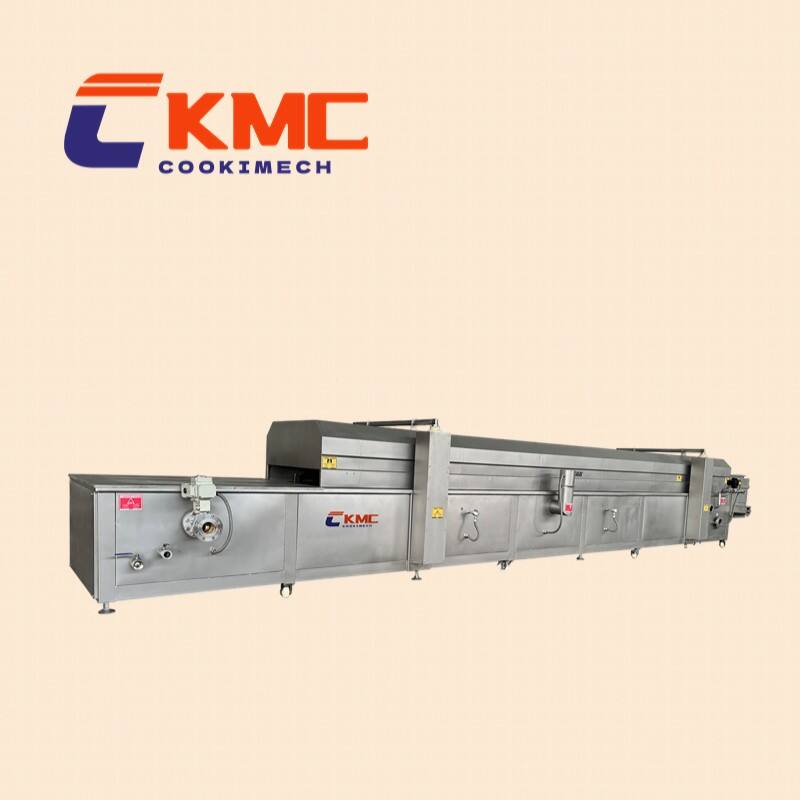
When trying to keep up with what people want these days without compromising on quality, many food producers are turning to automated industrial fryers for their core production work. Manual frying just doesn't cut it anymore in big scale operations because oil temps tend to fluctuate so much, which means some batches come out raw inside while others get charred on the outside. The real game changer comes from automation systems that can control heat with remarkable consistency, keeping things within about 2 degrees Fahrenheit across entire batches. What does this actually mean for businesses? Well, companies making snacks have seen anywhere between 20 to 40 percent boost in how much they can produce each day, all while ensuring every piece looks and tastes exactly the same. And let's face it, consistent product quality isn't just good for customers it's absolutely essential for protecting a brand's image in today's competitive market.
Automated fryers do more than just speed things up they actually change how much money operations cost. Most places spend around 30 percent of their budget on labor for frying tasks, but these new systems cut down on the need for constant human oversight because they regulate themselves pretty well. The built-in oil filters make a big difference too, extending how long oil stays good for about 30 to maybe even 40 percent longer. That means saving roughly seven hundred forty thousand dollars each year on getting rid of used oil, something that happens all the time at bigger plants. When looking at multiple production lines handling thousands of batches every day, those numbers really start adding up fast.
Safety compliance further elevates automated systems from optional to essential equipment. Modern industrial fryers integrate smoke suppression, emergency oil-dump valves, and automated lockouts during maintenance—addressing the leading causes of fryer-related facility fires. These safeguards align with NSF/ANSI 18-2023 food equipment standards while reducing liability risks.
Key Automation Features of an Industrial Fryer That Boost Efficiency and Consistency
Modern industrial fryers leverage automation to address core production challenges: inconsistent output, wasteful oil usage, and labor-intensive monitoring. Two pivotal technologies transform these pain points into competitive advantages.
Precision Temperature Control and Real-Time Thermal Profiling
Keeping oil temperatures within a tight range of plus or minus one degree Fahrenheit makes all the difference when it comes to getting consistent results from our products. The newer generation of frying equipment actually has multiple sensor zones along with those fancy PID controllers that constantly tweak the heating elements whenever there are changes in production volume. Take what happens when we put cold food into hot oil for instance. The system kicks in almost immediately to stop any drop in temperature that would otherwise lead to too much oil being absorbed and creating that unpleasant soggy texture nobody wants. These machines also do real time thermal mapping which generates those cool looking 3D heat maps showing where the hot and cold areas are so we can position baskets accordingly. All this attention to detail cuts down on wasted product somewhere around 12 to 15 percent while making sure every batch comes out looking good with that nice golden color and crispy finish customers expect.
Automated Oil Filtration and Degradation Monitoring
Around forty percent of all costs associated with frying operations actually comes down to oil degradation over time. The good news is automated systems address this problem pretty effectively. These systems have inline filters that catch food debris right after each cooking cycle, which means the oil lasts about thirty percent longer than what happens with traditional manual filtering approaches. Most modern setups also include built-in monitoring tools that keep an eye on important markers such as Total Polar Materials (TPM) levels and Free Fatty Acids (FFA). When these readings go beyond acceptable limits, the system sends alerts so staff knows it's time to change the oil. Take viscosity sensors for example they kick in automatically when TPM reaches around twenty percent, adding fresh oil before flavors start getting weird and keeping everything within safe food handling standards. Restaurants running multiple shifts per day can save roughly seven hundred forty thousand dollars every year just from these kinds of improvements alone, though actual savings will vary depending on how busy the kitchen gets day to day.
Safety, Compliance, and Operational Reliability in Industrial Fryer Design
Industrial fryers demand rigorous safety protocols to prevent catastrophic failures. Modern systems integrate automated safeguards that exceed basic OSHA and NFPA 87 requirements, eliminating 72% of fire incidents in food processing according to 2023 safety audits. These protocols ensure uninterrupted production while protecting personnel through three core mechanisms:
Integrated Safety Systems: Smoke Detection, Emergency Oil Dump, and Lockout Protocols
Safety systems work together to stop major problems before they happen. When smoke particles reach about half a percent concentration, photoelectric sensors kick in and shut everything down right away. Thermal fuses also play their part by cutting off power when temperatures get too high. In case something actually catches fire, nitrogen under pressure starts dumping oil emergency style. These systems can move over two thousand liters of oil into special containment tanks within just eight seconds flat. After all that, lockout tagout procedures make sure nobody gets hurt during maintenance work because everyone follows strict safety rules for handling equipment properly.
- RFID-enabled access controls preventing accidental reactivation
- Dual-circuit validation requiring two technicians to restart systems
- Automated incident logging that documents compliance for ISO 22000 audits
This redundancy reduces operational downtime by 41% compared to manual safety systems while maintaining strict hygiene separation between oil and electrical components.
Matching Industrial Fryer Configurations to Production Scale and Product Type
Picking the right industrial fryer setup really comes down to matching what kind of production volumes we're talking about against the actual products being made. Batch systems work great for snack manufacturers who need flexibility because they can handle all sorts of different items from vegetable tempura to those cheesy mozzarella sticks. The whole process involves manually loading and unloading these things, which is fine when output stays around 50 to maybe 200 kilograms per hour and recipes change often throughout the day. On the flip side, continuous fryers take automation to another level with conveyor belts moving products through consistently. These setups are perfect for big fast food chains that make tons of standard items like French fries every single day. When running at full capacity, such systems can push out over 500 kg an hour while cutting down on labor expenses by roughly a quarter to almost half compared to traditional methods.
Batch vs. Continuous Industrial Fryer Applications: Snack Lines vs. High-Volume Fast-Food Operations
Batch units prioritize adaptability for artisanal producers, while continuous models dominate large-scale efficiency. Snack lines leverage batch flexibility for diverse product portfolios, whereas fast-food chains rely on continuous systems for uniform throughput.
FAQ
What are the main benefits of automated industrial fryers?
Automated fryers offer consistent cooking results, labor and cost savings, enhanced oil utilization, and compliance with safety standards, providing a significant return on investment.
How do automated fryers improve safety?
They integrate safety systems like smoke detection, emergency oil dump protocols, and automated lockouts during maintenance to prevent common fryer-related accidents.
What are the differences between batch and continuous industrial fryers?
Batch fryers are suitable for flexible, small-scale operations with varying product types, while continuous fryers are designed for high-volume, standardized production processes.
Table of Contents
- Why Automatic Industrial Fryers Are Essential for Modern Food Manufacturing
- Key Automation Features of an Industrial Fryer That Boost Efficiency and Consistency
- Safety, Compliance, and Operational Reliability in Industrial Fryer Design
- Matching Industrial Fryer Configurations to Production Scale and Product Type
- FAQ