 EN
EN

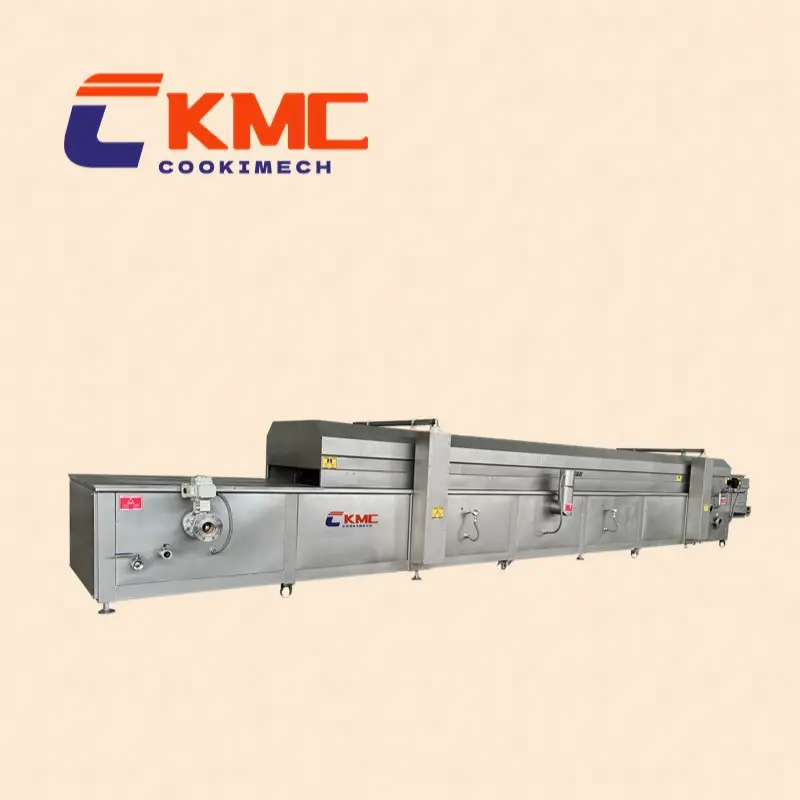
Heat Distribution and Cooking Uniformity in Industrial Fryer Designs
How Pot Geometry Affects Turbulence, Cold Spots, and Temperature Stability
How an industrial fryer pot is shaped really affects how oil moves around inside. Round pots create better circulation patterns that help keep everything heated evenly, while those square corners tend to trap oil and create problem areas. When oil gets stuck in corners, it just sits there getting too hot in some spots and not hot enough in others. A study done last year by food engineers showed that square fryers can have temperature differences of nearly 27 degrees Fahrenheit from the middle to the corners. What happens next? Cold spots form near those sharp corners where food doesn't cook properly. At the same time, oil breaks down faster in the super hot spots. Operators end up adjusting thermostats much more often too – about 23% more frequently than with round fryers according to the data.
In contrast, circular geometry supports laminar flow, reducing hot/cold fluctuations by 19% and improving overall temperature stability.
Surface-to-Volume Ratio Trade-offs: Why Round Industrial Fryers Often Deliver More Consistent Heat Transfer
While square fryers offer 10–15% greater volumetric capacity per footprint, their higher surface-to-volume ratio increases conductive heat loss. Spherical or deeply rounded vessels optimize heat retention more effectively than angular alternatives.
| Parameter | Round Fryer | Square Fryer |
|---|---|---|
| Surface-to-Volume | 0.38/cm | 0.52/cm |
| Avg. Temp Stability | ±4°F | ±11°F |
| Oil Replacement | 8-week cycle | 5-week cycle |
Source: International Journal of Food Science (2024)
The improved design actually cuts down on energy costs by around 18% for each production run. What makes this work so well are those curved walls that spread heat evenly throughout the cooking chamber. No more those pesky hot spots in corners where food gets burned and creates harmful stuff like acrylamide. According to a recent NSF checkup back in 2023, they found dangerous levels of acrylamide in nearly one third of all square fryers tested. That shows just how much something as simple as shape matters when it comes to keeping food safe and tasty. While round fryers take up a bit more space compared to their square counterparts, they consistently produce better colored products and the oil lasts longer between changes, which most operators will tell you is worth the trade off.
Cooking Performance and Oil Efficiency Across Fryer Geometries
Fry Quality Consistency: Impact of Shape on Batch Uniformity and Product Finish
The shape of industrial fryers plays a big role in how evenly food cooks throughout the batch, which matters a lot when maintaining quality standards. Round fryer tanks create better circulation because hot oil moves naturally through them, wrapping around food without leaving cold areas where things might cook unevenly. When this happens, we see problems like raw centers or burnt outsides in large orders from restaurants. Square shaped fryers tell a different story though. The corners tend to get messy with debris collecting there over time, and the oil doesn't flow as smoothly. This creates hot spots and cooler areas inside the fryer, making it hard to get that perfect golden color on fries or breaded chicken. Food service operators care deeply about these differences since customers expect every bite to taste the same no matter what shift they're on. That's why many commercial kitchens stick with round fryers despite their higher initial cost.
Oil Degradation and Longevity: How Square vs. Round Industrial Fryer Designs Influence Circulation and Thermal Stress
The stress frying oil experiences gets worse fast when the shape of the fryer makes it hard for oil to move around properly. Round industrial fryers tend to build up those bad polar compounds (TPCs) about 15 to maybe even 20 percent slower than square ones because their shape lets oil flow better without getting too hot in one spot. The curves on these round fryers basically get rid of those dead corners where oil breaks down quickest. Plus, the way they spin keeps food bits floating instead of settling at the bottom, making filtration much easier. Square fryers are different though. They end up with these stagnant areas right next to the welds where temperatures can jump past 375 degrees Fahrenheit and start breaking down the oil really fast through oxidation. Because of this uneven heating problem, operators have to change oil more often, which means more waste and higher costs for restaurants. The better circulation in round fryers also spreads out those antioxidant additives more evenly across the oil, so many commercial kitchens report being able to reuse oil for over 100 cooking cycles before needing replacement.
Operational Fit: Maintenance, Capacity, Layout, and Scalability
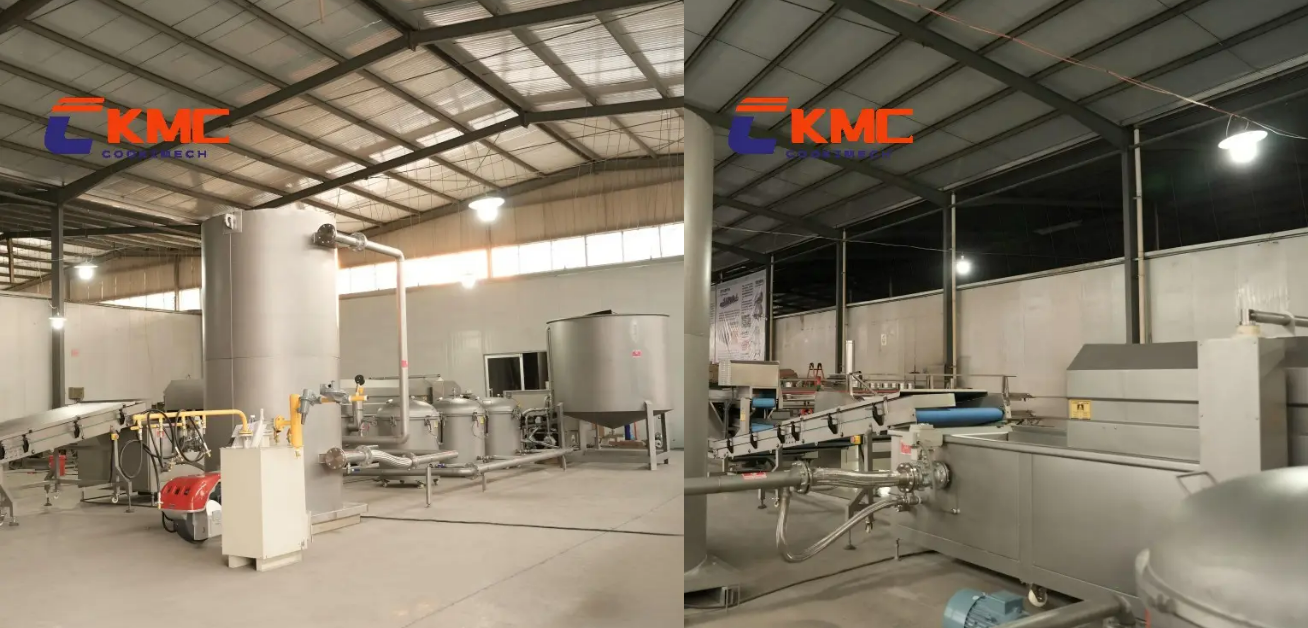
Cleaning Accessibility and Downtime: Flat-Bottom, V-Bottom, and Tube-Type Configurations by Shape
The shape of fryers really matters when it comes to how easy they are to maintain. Round fryers with those V-shaped bottoms drain oil better than flat bottom square ones, which cuts down on leftover gunk sticking around. Some tests at the Food Service Tech Center show about 30% less residue buildup with these curved designs. The rounded shape also helps prevent those annoying spots where food particles get stuck, so cleaning takes roughly 15 to 20 minutes less each shift. Square fryers let workers get into all the corners for thorough scrubbing, but they need filters changed more often because the oil doesn't circulate evenly throughout. Round fryers sometimes have those tube-like parts inside that make brushing tricky, even though they save valuable counter space in smaller kitchens. When choosing between them, operators need to think about what works best for their particular setup. V-bottoms mean less work day to day, whereas square models might be worth the extra effort if deep cleaning is part of regular maintenance routines.
Integration and Throughput: Matching Fryer Geometry to Production Line Flow and Automation Requirements
The shape of industrial fryers really depends on how things are laid out in production. Square fryers work great with straight line conveyors since they can just roll right onto seasoning stations without needing to turn around something most plants need when moving over 500 pounds per hour through their lines. Plus these square models come in modules so expanding capacity is as simple as putting another unit next to the existing one. Round fryers have their place too especially in circular production setups where their special oil circulation keeps temperatures steady even when constantly loading food products. Automated kitchens tend to prefer square fryers because robots find them easier to handle thanks to those clean corners making programming about 40% simpler according to what some automation companies have seen in practice. Looking at long term growth plans, square fryers generally fit better in cramped kitchen spaces although round models do need around 15% extra room for workers to move safely between them. But those round designs actually handle automatic oil refilling better which matters a lot for big operations running nonstop shifts.
FAQ
Why are round fryers more efficient in heat management?
Round fryers create better oil circulation patterns, reducing cold spots and uneven heating. This design supports laminar flow, which stabilizes temperature and enhances heat distribution uniformly.
What are the cleaning benefits of round fryers compared to square fryers?
Round fryers with V-shaped bottoms allow for better oil drainage, reducing residue build-up and cutting cleaning time by approximately 15 to 20 minutes per shift compared to square fryers.
How does fryer geometry affect oil degradation and longevity?
Round fryers facilitate better oil circulation, reducing the buildup of damaging polar compounds and allowing operators to use oil over a longer period of up to 100 cooking cycles before needing to replace it.
Which industrial fryer designs are better for large scale automation setups?
Square fryers are often preferred in automated kitchen environments because their shape is easier to integrate with conveyor systems and robotic handling, cutting programming complexity by 40%.