 EN
EN

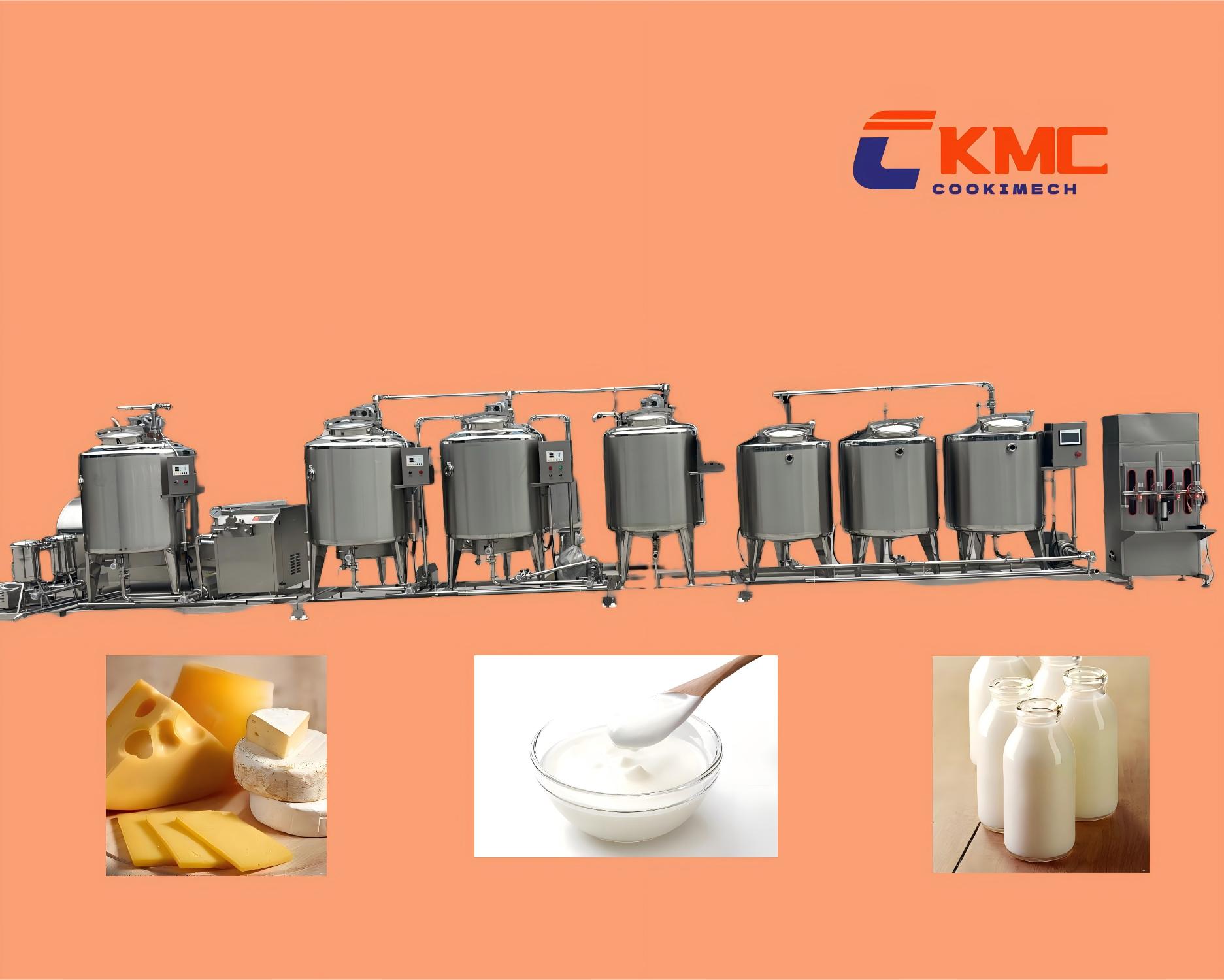
Core Yogurt Machine Capabilities for Multi-Style Fermentation
Precision Temperature Control for Probiotic Strain Viability
Effective yogurt machines maintain tight thermal control (±0.5°C), a threshold validated by research as essential for probiotic viability—deviations beyond this range reduce viable L. reuteri cultures by 30–50%. Clinically studied strains such as Lactobacillus reuteri ATCC PTA 6475 and DSM 17938 require sustained stability within 37–42°C to sustain metabolic activity and prevent culture collapse. Microprocessor-regulated water-bath systems deliver this precision far more reliably than air-based alternatives, directly supporting strain-specific functional benefits like gut-immune modulation.
Extended Fermentation Timing (Up to 36+ Hours) for Optimal Acidification
Programmable fermentation windows—from 12 to 36+ hours—enable full lactose conversion and controlled pH reduction to the ideal 4.0–4.5 range. Longer cycles are especially critical for Greek-style yogurts, where gradual acidification strengthens protein networks without degrading structure; dairy studies indicate over-acidification can compromise protein integrity by up to 15%. Incremental timing adjustments accommodate slow-acidifying or acid-sensitive probiotics, ensuring texture development and microbial survival remain aligned.
Stable Incubation Environment: Water-Bath vs. Air-Based Consistency
Water-bath incubation achieves ~95% temperature uniformity across the fermentation vessel, outperforming air-based units (70–80%) in thermal homogeneity. Immersive heating eliminates hot spots that disrupt coagulation—particularly vital for silky drinkable yogurts and consistent gel formation. Air-based systems risk surface drying and uneven whey separation, leading to textural inconsistencies. Thermal mass technology, inherent to well-designed water baths, provides superior stability for multi-style production where repeatability across formats is non-negotiable.
Yogurt Machine Compatibility with Probiotic Starter Cultures
Supporting Sensitive Strains Like L. reuteri ATCC PTA 6475/DSM 17938
Clinically validated L. reuteri strains (ATCC PTA 6475 and DSM 17938) demand narrow thermal windows—36–40°C—with minimal fluctuation (±0.5°C)—to retain viability and functional potency. As demonstrated in the Journal of Dairy Science (2023), inconsistent heating reduces recoverable colony counts by over 50%, undermining clinical relevance and product efficacy. Advanced machines meet this requirement through microprocessor-controlled water baths—not convection or ambient heating—ensuring reproducible conditions that protect thermally sensitive mechanisms underpinning gut-immune modulation.
Digital Programming for Culture-Specific Protocols and Reproducibility
Modern units integrate programmable logic controllers (PLCs) that support fully customizable fermentation profiles: precise temperature ramping, pre-incubation holds, duration windows (4–36+ hours), and post-fermentation cooling rates. This level of control eliminates manual timing errors—a leading cause of batch failure—and supports strain-specific protocols, such as extended 24-hour fermentations for acid-labile probiotics. A 2022 industry survey found digitization reduced production inconsistencies by 73% among commercial producers. Memory functions allow storage of validated protocols, enabling seamless scale-up from lab-developed formulations to full production—while maintaining strict process controls for regulatory compliance and A/B testing.
Yogurt Machine Design Features for Greek and Drinkable Yogurt Production
Integrated Straining Systems vs. Modular Accessories for Texture Control
Greek yogurt’s signature thickness relies on controlled whey removal—and machine architecture significantly influences consistency and hygiene. Integrated straining systems eliminate post-fermentation transfer, preserving probiotic integrity and reducing contamination risk during high-volume runs. Modular accessories (e.g., removable sieves or centrifugal baskets) offer artisanal flexibility but require careful handling to avoid shear stress on live cultures. Key differentiators include:
- Strain rate control: Adjustable pore sizes (0.1–2 mm) fine-tune viscosity and protein concentration.
- Filtration method: Gravity-based systems suit small batches; automated centrifugal mechanisms handle larger loads efficiently.
- Material compatibility: Food-grade, non-reactive surfaces (e.g., medical-grade stainless steel or BPA-free polymers) prevent metallic leaching during prolonged contact.
Units with integrated systems consistently achieve ≥24% protein concentration—meeting commercial Greek yogurt benchmarks—while modular options support diverse fermented dairy styles like labneh or skyr.
Container Geometry and Agitation Options for Drinkable Yogurt Homogeneity
Drinkable yogurt requires uniform suspension of solids and microbes to prevent whey separation and sedimentation. Optimal design combines cylindrical vessels ≥15 cm in diameter—which minimize surface tension effects—with low-shear agitation (3–5 RPM) during incubation. Tapered bases and angled, slow-turning paddles discourage sediment buildup while preserving fragile probiotic chains (e.g., Bifidobacterium). Critical supporting features include:
- Thermal uniformity: Even heat distribution across tall/narrow formats prevents localized over-acidification.
- Programmable rest cycles: Agitation halts post-fermentation to stabilize gels without mechanical disruption.
- Tilted-axis rotation: Gentle inversion—not turbulent stirring—maintains fluidity while protecting live cultures.
FAQ
What temperature range is necessary for Lactobacillus reuteri strains?
Lactobacillus reuteri strains like ATCC PTA 6475 and DSM 17938 require a temperature range of 37–42°C with minimal fluctuation (±0.5°C) for optimal viability.
Why is a water-bath system better than an air-based system?
Water-bath systems offer ~95% temperature uniformity, eliminating hot spots and ensuring consistent fermentation conditions, unlike air-based systems, which can result in surface drying and uneven whey separation.
How does extended fermentation benefit yogurt production?
Extended fermentation times (up to 36+ hours) allow for full lactose conversion, controlled pH reduction, and strengthened protein networks, which are crucial for Greek-style yogurt production.
What features are essential for drinkable yogurt production?
Key features include cylindrical containers, low-shear agitation (3–5 RPM), programmable rest cycles, and thermal uniformity to ensure a homogeneous product without sedimentation.
Are integrated straining systems better than modular options?
Integrated systems are better for maintaining probiotic integrity and hygiene during high-volume production, while modular options offer flexibility for artisanal yogurt styles but require more careful handling.
Table of Contents
- Core Yogurt Machine Capabilities for Multi-Style Fermentation
- Yogurt Machine Compatibility with Probiotic Starter Cultures
- Yogurt Machine Design Features for Greek and Drinkable Yogurt Production
-
FAQ
- What temperature range is necessary for Lactobacillus reuteri strains?
- Why is a water-bath system better than an air-based system?
- How does extended fermentation benefit yogurt production?
- What features are essential for drinkable yogurt production?
- Are integrated straining systems better than modular options?