 EN
EN
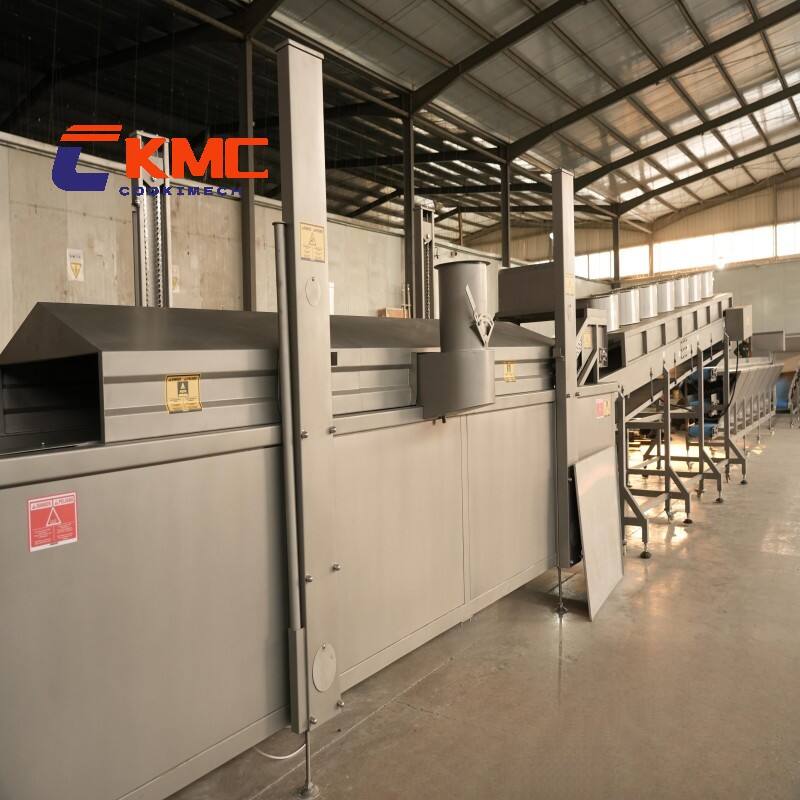
Automation about Industrial Fryer That Cuts Labor Without Compromising Control
Programmable Controls and IoT Monitoring Cut Manual Oversight by 30–50%
Modern industrial fryers come equipped with programmable controls that set specific cooking parameters like time, temp settings, and how deep food sits in the oil, ensuring consistent results every single time. These machines now have built in smart sensors that keep track of oil temps and whether the food is done properly as it cooks. The system will only send out warnings when something goes outside normal ranges, so workers don't need to watch everything constantly anymore. Many kitchens report saving anywhere between a third to almost half of their staff time previously spent on constant checking and adjusting. Plus, these fryers log all past cooking data, which helps managers fine tune cooking cycles over time instead of relying solely on what feels right based on experience alone.
Automatic Basket Lifting, Precision Timers, and Adaptive Temperature Stabilization Reduce Repetitive Tasks
Basket lifters that work automatically can immerse and retrieve food with pinpoint accuracy down to the millimeter mark. This takes away all the hard work involved in manually lifting baskets and also cuts down on those annoying oil splatters that happen so often. The machines come equipped with timers that sync right up with different cooking phases, plus they have this smart thermal system that keeps the oil temperature stable within about 2 degrees Fahrenheit even when new batches go in or come out. What does this mean for kitchen staff? Well, basically it frees them from having to physically handle heavy baskets, constantly check stopwatches for timing, and then scramble to adjust temperatures whenever something goes off track. Instead, employees can now spend their time checking product quality and making small adjustments to improve overall processes, which ultimately makes things safer for everyone and produces more consistent results across the board.
Thermal and Filtration Efficiency That Accelerates Throughput and Extends Operational Uptime
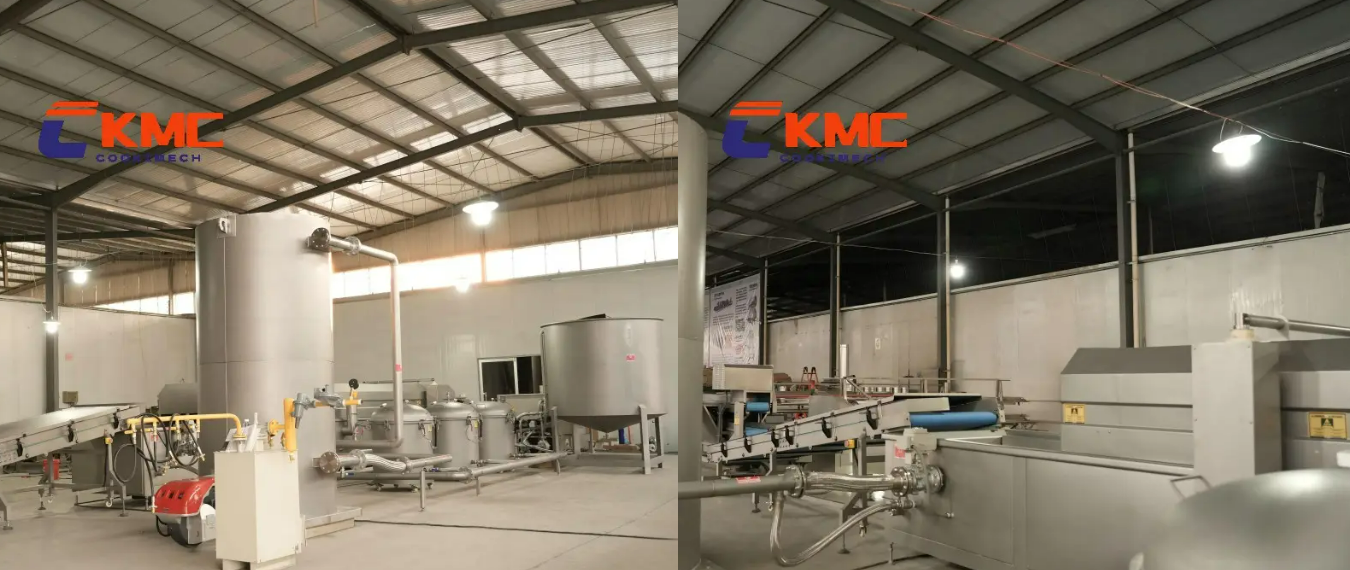
High-Efficiency Burners and Rapid Preheating Reduce Idle Time by Up to 40%
Advanced high-efficiency burners cut oil preheating time by up to 60% versus conventional systems, slashing idle time by 30–40% (Food Processing Journal, 2023). Precision thermal controls sustain ±2°F stability throughout operation—preventing temperature-related pauses and enabling higher hourly batch throughput without added floor space or energy consumption.
Integrated Oil Filtration Maintains Consistent Quality and Doubles Oil Life—Minimizing Downtime
When continuous in line filtration takes out those pesky particulates while frying is happening, it actually slows down the whole oxidation process. This means food products keep their color, texture and taste much better from one batch to the next. According to recent studies from Oil Life Institute back in 2023, this method can double or even triple the life of frying oil when compared to old fashioned manual filtering techniques. And let's not forget about automated sludge removal systems either. These cut down on maintenance needs by almost half, which translates into less unexpected equipment stoppages and saves money on replacement parts too. All these improvements help maintain production levels without so many interruptions in day to day operations.
Scalable Industrial Fryer Sizing That Maximizes Output Per Operator
Selecting the right-sized industrial fryer is foundational to labor efficiency. High-volume operations benefit from continuous fryers, whose automated conveyor systems process hundreds of kilograms per hour without manual food handling. For lower-volume or menu-diverse environments, batch fryers deliver flexibility without sacrificing control. Both configurations share key advantages:
- Operator output optimization: Properly sized units absorb production spikes without requiring additional staff.
- Space-to-capacity alignment: Modular widths and depths—from 400mm to over 5m—allow seamless integration into existing layouts.
- Energy/resource efficiency: Matching fryer scale to actual demand reduces idle oil heating by 20–40%.
Scalable sizing increases throughput per operator by 30–50%, turning fixed infrastructure into responsive growth capacity—maximizing resource utilization while preserving quality consistency.
Ergonomic Integration That Optimizes Workflow and Reduces Operator Fatigue
Modular Design and Human-Centered Layout Enable Seamless Line Integration with Minimal Staff Adjustment
Industrial fryers that come in modular form can fit right into current production setups without breaking the bank on expensive modifications. The controls, screens, and maintenance areas are all placed where workers naturally reach for them, which helps prevent back twisting and sore shoulders. According to some warehouse ergonomics research, these human friendly designs cut down on physical adjustments needed by around 40% compared to older models. This means shorter training periods for new staff while still keeping output accurate. Factory workers who operate these systems consistently mention feeling about 30% less tired after long shifts when the equipment matches their work patterns. Fewer mistakes happen too, since there's less need for constant stretching and reaching that causes wear and tear over time.
The method keeps things flowing smoothly in busy kitchen environments where one person can handle several workstations without constantly moving around. The adjustable parts group together all necessary tools and screens near where most tasks happen, so cooks don't waste time walking back and forth between spots. This setup actually makes sense when looking at what works best in manufacturing settings too. When kitchens implement good ergonomics properly, they tend to see around a 15-20% jump in how much gets done during service hours. Plus, workers report getting hurt less often these days compared to before changes were made. Some places even claim their staff injuries dropped nearly half after rearranging equipment layouts according to ergonomic principles.
FAQ
1. How do programmable controls and IoT monitoring improve fryer efficiency?
Programmable controls automate cooking parameters like time and temperature, and IoT monitoring tracks oil temps and cooking progress. This automation reduces the need for constant manual oversight, saving 30-50% in staff time and ensuring consistent results.
2. What benefits do automatic basket lifters provide?
Automatic basket lifters improve precision in handling food, reduce repetitive tasks, and mitigate oil splatters. They also allow staff to focus on product quality and process improvement rather than manual handling.
3. How does continuous oil filtration enhance operational efficiency?
Continuous oil filtration captures particulates during frying, slowing oxidation and extending oil life, doubling or tripling it compared to manual filtering. This minimizes downtime and maintains consistent food quality.
4. Why is scalable fryer sizing important?
Scalable fryer sizing matches equipment capacity to actual demand, maximizing throughput per operator by 30-50%. This ensures resource efficiency and consistent product quality without requiring extra staff.
5. How does ergonomic industrial fryer design reduce operator fatigue?
Ergonomic designs place controls and screens within easy reach, minimizing physical strain and reducing adjustment needs by 40%. This decreases training time and fatigue, leading to fewer mistakes and increased productivity.
Table of Contents
- Automation about Industrial Fryer That Cuts Labor Without Compromising Control
- Thermal and Filtration Efficiency That Accelerates Throughput and Extends Operational Uptime
- Scalable Industrial Fryer Sizing That Maximizes Output Per Operator
- Ergonomic Integration That Optimizes Workflow and Reduces Operator Fatigue