 EN
EN

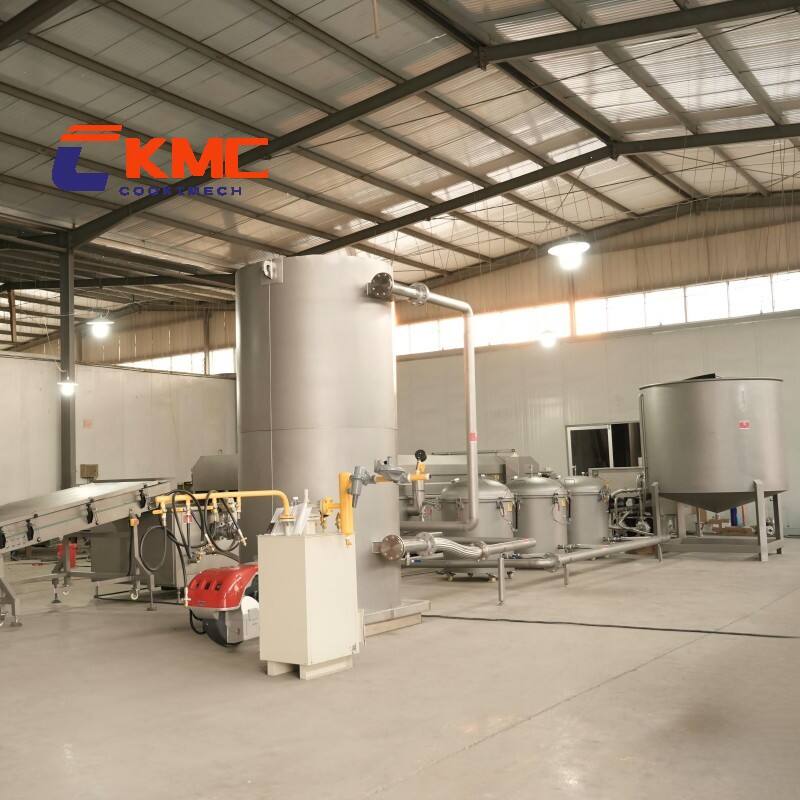
Faster, More Responsive Heating for High-Volume Production about Industrial Fryer
Rapid Heat-Up and Temperature Recovery Under Continuous Load
Industrial fryers that run on gas are known for their quick response when it comes to heat in busy commercial kitchens. As basket after basket goes into hot oil, those gas flames adjust almost immediately, ramping up or down as needed to keep temperatures stable despite all the activity. The way fire heats the cooking vessel directly makes these fryers recover from cold shocks about 30 to maybe even 50 percent quicker compared to electric units. That means less variation between batches when things get hectic during lunch rushes or dinner service. Maintaining consistent heat levels throughout really matters for frozen items too. They come out cooked through without raw spots inside or burnt crusts on the outside. For operations handling over 500 pounds of food an hour, this kind of performance difference can make all the difference between satisfied customers and disappointed ones.
Gas vs. Electric: Recovery Time Data in Real Industrial Fryer Operations
The numbers back up gas fryers' edge over electric models. When a 10 pound load cools oil down from 325 degrees to around 310, gas fryers typically bounce back to 350 in just 45 to 60 seconds. Electric units take twice as long, needing between 90 and 120 seconds to recover. Things get even worse during continuous operation like eight straight batches. Electric fryers slow down by about 20% because their heating elements need time to cool between cycles, while gas keeps performing consistently throughout. This points to a basic problem with resistance heating when scaling up production. Gas delivers those BTUs instantly, which makes all the difference for maintaining food quality and keeping oil conditions stable throughout long shifts at busy kitchens.
Lower Operating Costs Without Compromising Output
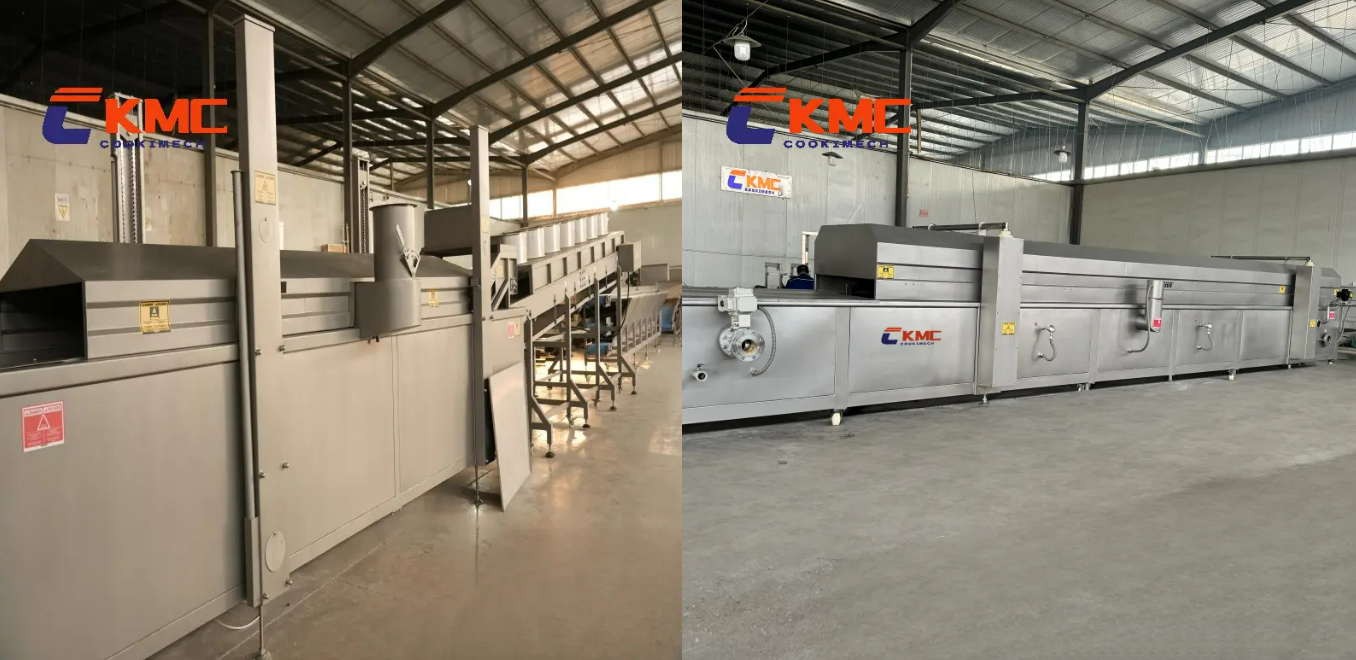
Utility Cost Comparison: Gas Industrial Fryer vs. Electric Over an 8-Hour Shift
Industrial gas fryers cut down on energy bills by around 30 to 50 percent when running continuously compared to their electric counterparts according to what most food processing plants report. Take a typical 8 hour workday where someone fries about 500 pounds of food stuffs, operators can save anywhere from $18 up to $32 each day just on utilities thanks mainly to better heat transfer and no need to convert electricity into heat first. The bigger the operation gets, the more these savings stack up over time which is why many factories that run multiple shifts throughout the week find switching to gas makes good financial sense in the long run.
ROI Validation: Case Study on Annual Cost Savings
One major food company saved around $28k each year on utilities and waste costs when they made the switch from electric fryers to gas models. They got their money back within just 14 months of installation. The production rate stayed exactly the same at 220 pounds per hour throughout the process. What really helped was the fact that gas prices were steady, so they didn't have to worry about those extra charges during peak demand times anymore. Another big plus came from having better control over the burners. This improvement cut down on rejected products by about 1.7 percent because it stopped things from getting undercooked when temperatures fluctuated during cooking cycles. So even though they were saving money, there wasn't any drop off in quality or output levels either.
Consistent Food Quality and Process Reliability at Scale
Precise Temperature Control and Its Impact on Frozen Product Crispness Uniformity
Industrial gas fryers keep oil temps pretty tight, usually within about 2 degrees Fahrenheit. And this matters a lot when frying frozen foods. The thing is, these frozen items have quite a bit of moisture inside them. When the temperature fluctuates even slightly during cooking, it messes with how the food seals on the surface and absorbs oil. We've seen cases where just a 5 degree change in temperature leads to around 15% more oil being absorbed into the product. That means soggy results or patches of darker coloring that look unappetizing. Gas powered systems handle temperature changes better than electric ones because they don't tend to overshoot target temperatures and get back to stable conditions much faster. For large scale operations running thousands of batches daily, having consistent results across all those units isn't just nice to have it's basically table stakes these days. Restaurants and food manufacturers simply can't afford quality variations that lead to wasted ingredients and customers who stop trusting what's on their plate.
Practical Deployment Considerations for Gas Industrial Fryers
Gas Line, Ventilation, and Hood Compliance for Commercial Kitchen Integration
When setting up gas powered industrial fryers, there are three key infrastructure needs that just cant be ignored. First off, getting the gas lines right matters a lot. These need proper installation by qualified technicians who know their stuff. They have to size the pipes correctly so pressure stays stable and leaks don't become a problem down the road. Next comes ventilation. The system should move between 150 to 250 cubic feet per minute for every square foot under the hood. This helps get rid of all that hot air, smoke, and greasy vapor before it builds up inside the kitchen. And dont forget about those hoods themselves. They need to meet all NFPA 96 standards completely. That means having those grease catching baffles in place, working fire suppression systems ready to go, plus at least an 18 inch overhang past where the fryer sits. Regular cleaning and checking of the ducts and fans isn't optional either. Without this upkeep, kitchens risk failing inspections, facing serious safety issues, and potentially causing fires that could shut operations down for good.
Frequently Asked Questions
Why are gas fryers more efficient than electric ones?
Gas fryers heat the cooking vessel directly with flames, allowing for faster recovery times and more consistent heat distribution compared to electric fryers.
What savings can be expected from using gas fryers?
Gas fryers can reduce energy costs by approximately 30 to 50 percent over electric fryers, resulting in significant savings over time, especially in high-volume operations.
Are there any safety concerns with gas industrial fryers?
Proper installation and maintenance of gas lines, ventilation, and hoods are crucial to ensure safety. Following NFPA 96 standards and regular inspections help mitigate risks associated with gas fryers.