 EN
EN
Understanding Industrial Fryer Types and Core Applications
Batch vs. Continuous Fryers for Different Production Volumes
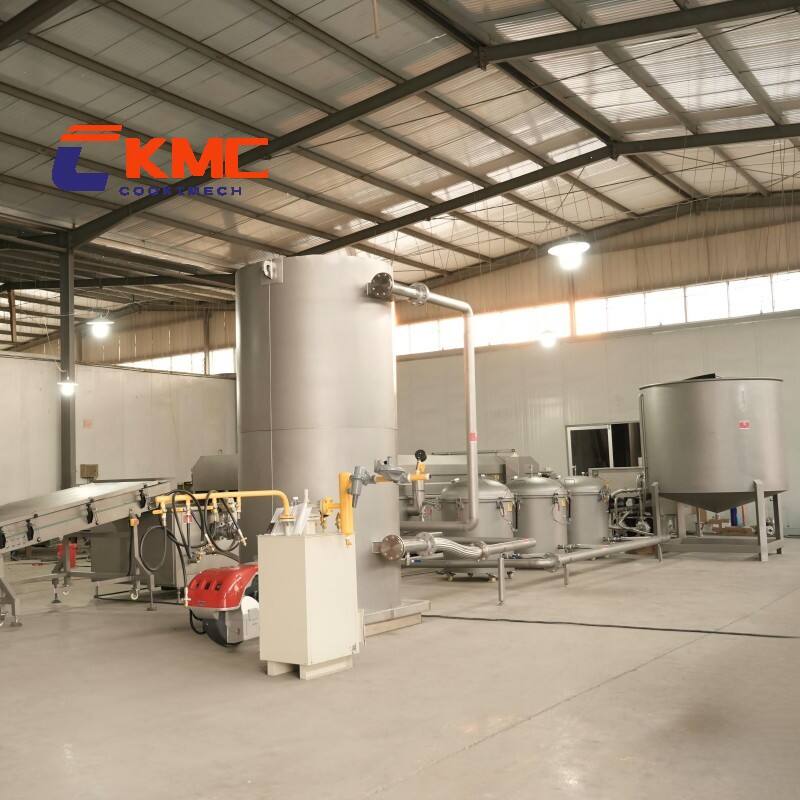
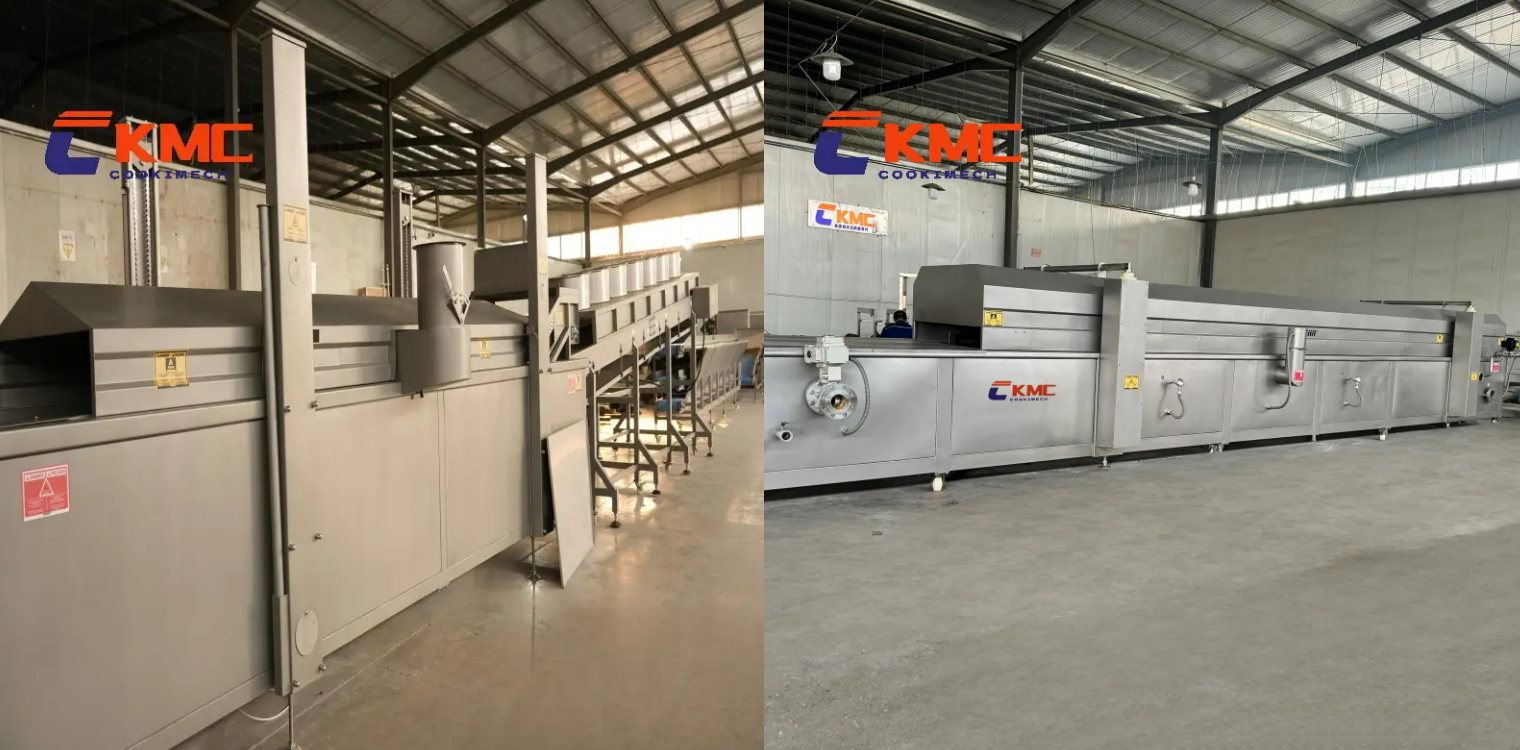
Batch industrial fryers handle set amounts each time they run, which works well for places that make different products or don't need massive volumes every day. Think restaurants experimenting with new menu items, test kitchens trying out recipes, or small companies producing specialty snacks. They let operators switch between recipes often and test small batches without much hassle, even though workers still have to load and unload ingredients manually. On the other hand, continuous fryers take care of big volume jobs automatically, say around 500 kilograms an hour or more. These machines keep oil at just the right temperature and cook food for exactly the needed amount of time, so everything comes out looking and tasting consistent. Frozen french fries, tortilla chips, and battered seafood are common items made this way. Big food processing plants save money on labor costs with these systems somewhere around 30 percent according to industry reports, plus they get way more product through the line consistently day after day.
Gas, Electric, and Hybrid Heating Configurations
Heating method directly influences efficiency, responsiveness, and operational control:
| System Type | Heat-Up Time | Temperature Control | Best For |
|---|---|---|---|
| Gas | 8–10 minutes | Moderate | High-volume operations |
| Electric | 12–15 minutes | High precision | Specialty frying |
| Hybrid | 6–8 minutes | Adaptive | Variable production |
Electric systems deliver ±2°F accuracy—critical for temperature-sensitive items like confectionery coatings or delicate batters. Gas offers rapid thermal recovery after cold product loads, supporting uninterrupted high-output runs. Hybrid models integrate gas’s speed with electric’s stability, reducing energy use by 22% in mixed-load environments without compromising control.
Critical Performance Metrics for Industrial Fryer Efficiency
Oil Recovery Rate, Temperature Uniformity, and Energy Consumption
When talking about how well these systems actually perform in practice, there are three main factors to consider: how much oil gets recovered, how evenly heat spreads throughout the cooking area, and just how much energy they consume overall. Systems that recover oil efficiently can save restaurants around 15 to 20 percent on their yearly oil costs while also making the frying oil last longer since it degrades less quickly. Keeping temperatures within about five degrees Fahrenheit across the entire cooking surface makes all the difference for product quality. The color stays consistent, textures remain right where they should be, and moisture doesn't escape unpredictably. If temperatures drift outside this sweet spot, rejection rates can jump as high as eight percent. Most fryers use between 0.25 and 0.4 kilowatt hours per kilogram of food cooked. But some premium models slash this number by thirty percent thanks to better heat exchange technology and tanks that retain warmth more effectively. And let's not forget about those NSF certified filters either. They do wonders for maintaining oil quality and help keep operations compliant with all those important food safety regulations that inspectors love checking during surprise visits.
How Thermal Recovery Time Impacts Throughput and Consistency
How fast oil gets back to the right temperature after cooking something is really important for how many items can be processed in a given time. Fryers that bounce back within around 90 seconds let kitchens handle roughly 15 to maybe even 20 percent more batches each hour compared to models that take longer. When the oil heats up quickly, it stays in better condition overall. This means less breakdown of the oil molecules, which helps avoid problems like food coming out either raw inside or too greasy on the outside because parts of the fryer got too cold during operation. To get the most out of thermal recovery, operators need to make sure their fryer matches what they typically cook. Getting equipment designed for strong heating power and good heat distribution makes all the difference. These features don't just speed things up but actually extend how long the oil lasts before needing replacement and cut down on running expenses over time.
Food Safety, Compliance, and Maintenance Requirements
NSF/CE Certification, Oil Filtration Systems, and Sanitary Design
For industrial fryers in commercial kitchens, getting NSF or CE certification isn't just recommended it's absolutely required. These certifications ensure everything from the materials used to how the fryer performs actually meets those global standards for keeping things clean and safe. Good oil filtration matters too. When filters can catch particles smaller than 20 microns, they help extend how long oil stays usable maybe around 30% longer. Plus this kind of filtration cuts down on acrylamide formation and stops unwanted flavors from mixing when different foods are cooked. The way these machines are built also makes a difference. Rounded corners, surfaces that slope properly for drainage, and welds without gaps all work together to stop bacteria from hiding out. Fryers that follow EN 1672-2:2009 standards really knock it out of the park when it comes to meeting tough European hygiene rules, especially in those tricky spots where pathogens tend to stick around. And let's not forget about automatic oil replenishment systems. They cut down on how much hands-on work operators need to do while making sure the right amount of oil gets added every time.
Preventive Maintenance Schedules and Downtime Reduction Strategies
Implementing a good preventive maintenance schedule can reduce unplanned downtime at food processing plants by around 45%. For daily operations, staff need to check filters regularly, confirm temperature sensors are working properly, and look at oil condition including how clear it is and whether there's excessive foaming. On a weekly basis, workers should clean out carbon buildup from burners or heating components and inspect gaskets for wear or damage. The newer approach involves predictive maintenance techniques like using inline sensors to track total polar compounds (TPC) in real time. This lets teams act early before oil quality drops below safe limits. When problems do occur, cross trained techs who have access to standard troubleshooting manuals typically fix most common issues such as drifting thermostats, cavitation in pumps, or faulty flow sensors within about two hours. This quick response helps maintain production rates while staying compliant with all necessary regulations.
Total Cost of Ownership Beyond the Initial Industrial Fryer Price
Lifecycle Costs: Energy, Labor, Oil Usage, and Parts Replacement
When looking at industrial fryers, most people focus on the initial price tag, but that actually makes up just about 20 to 30 percent of what these machines will cost over their usual 7 to 10 years in service. What eats into the budget much more is energy usage, which takes up over 40% of what restaurants spend running their kitchens day to day. The good news? High efficiency models can help out quite a bit thanks to better heating tech, improved insulation materials, and faster heat recovery times. Restaurants also save money on labor because automated systems handle things like filtering oil and managing the cooking process itself, cutting down on hands-on work by roughly half sometimes. Oil replacement stays one of those big monthly expenses too, but when fryers have decent filtration systems and maintain proper temperatures, they last longer between replacements and create less waste overall. Stainless steel builds and components that fit together nicely mean fewer parts need replacing down the road. Plus smart maintenance schedules catch problems before they become expensive emergencies. According to industry reports, businesses switching to energy efficient fryers typically see around 18 to maybe even 25 percent savings each year compared to older models, so thinking about long term costs really matters when making equipment purchases.
FAQ
What are the main differences between batch and continuous fryers?
Batch fryers are suited for small to medium-scale operations that require flexibility in frying different products with smaller volumes. Continuous fryers, however, are designed for large-scale operations with high-volume, consistent production.
How does the type of heating configuration impact fryer performance?
Gas fryers heat quickly and are ideal for high-volume needs. Electric fryers offer high precision temperature control, making them suitable for specialty frying. Hybrid fryers combine the advantages of gas and electric, resulting in quick heating and energy efficiency.
Why is temperature uniformity important in industrial fryers?
Temperature uniformity ensures even cooking, maintaining consistency in texture and moisture levels, which significantly impacts the quality of fried products.
How do oil filtration systems contribute to food safety?
Effective oil filtration systems remove particles and impurities, reducing the formation of harmful compounds like acrylamide, thereby extending the usability of the oil and maintaining food safety standards.
What strategies can reduce the total cost of ownership of an industrial fryer?
Adopting high-efficiency models, implementing preventive maintenance schedules, and using effective oil filtration systems can significantly reduce energy, labor costs, and extend the lifecycle of fryers, minimizing total ownership costs.
Table of Contents
- Understanding Industrial Fryer Types and Core Applications
- Critical Performance Metrics for Industrial Fryer Efficiency
- Food Safety, Compliance, and Maintenance Requirements
- Total Cost of Ownership Beyond the Initial Industrial Fryer Price
-
FAQ
- What are the main differences between batch and continuous fryers?
- How does the type of heating configuration impact fryer performance?
- Why is temperature uniformity important in industrial fryers?
- How do oil filtration systems contribute to food safety?
- What strategies can reduce the total cost of ownership of an industrial fryer?