 EN
EN

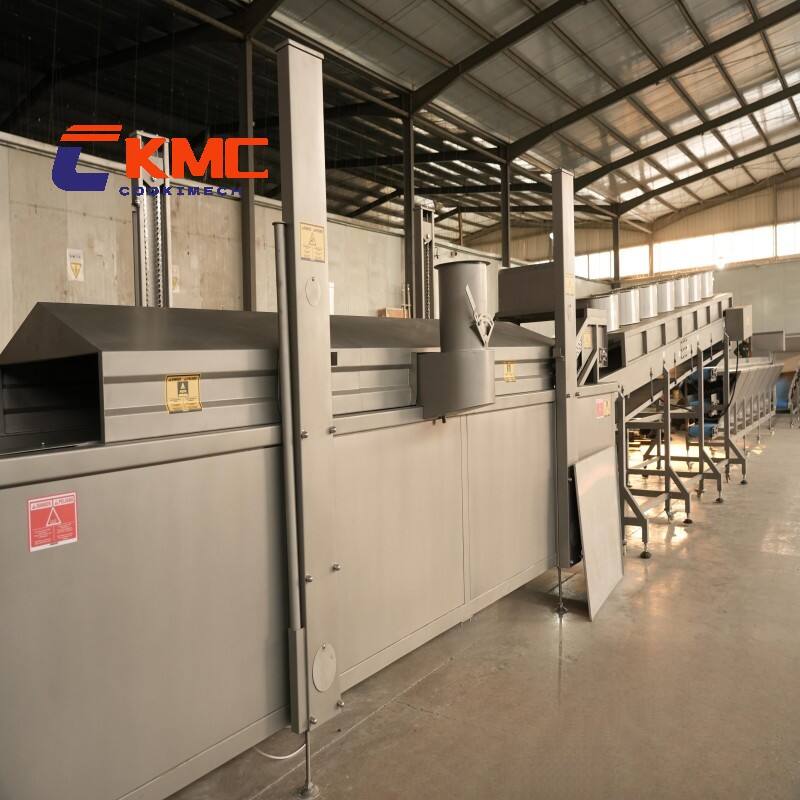
Precision Temperature Control: The Core of Industrial Fryer Consistency
The industrial fryer could Maintain oil temperature within ±0.5°C prevents undercooked products and premature oil breakdown. This thermal stability reduces harmful acrylamide formation by 40% in fried foods while extending frying oil lifespan by 15–20% (Food Chemistry 2022). Fluctuations accelerate Free Fatty Acid (FFA) development, directly impacting flavor and shelf life.
How ±0.5°C thermal stability prevents under-frying and oil degradation
Tight temperature bands ensure uniform starch gelatinization and moisture evaporation. Even brief dips below optimal ranges create soggy, oil-saturated products. Conversely, spikes above 180°C generate polar compounds that degrade oil quality. Industrial fryers achieve this precision through high-sensitivity thermocouples and rapid-response heating elements.
PID-driven thermal management and adaptive compensation for load variation
Proportional-Integral-Derivative (PID) controllers continuously adjust heat input based on real-time oil temperature readings. They dynamically compensate for thermal load changes during product loading—preventing the 3–5°C drops common in basic systems. Advanced algorithms factor in product entry temperature and moisture content, ensuring consistent output regardless of batch size.
Engineered Product Handling: Uniform Exposure in Batch Frying
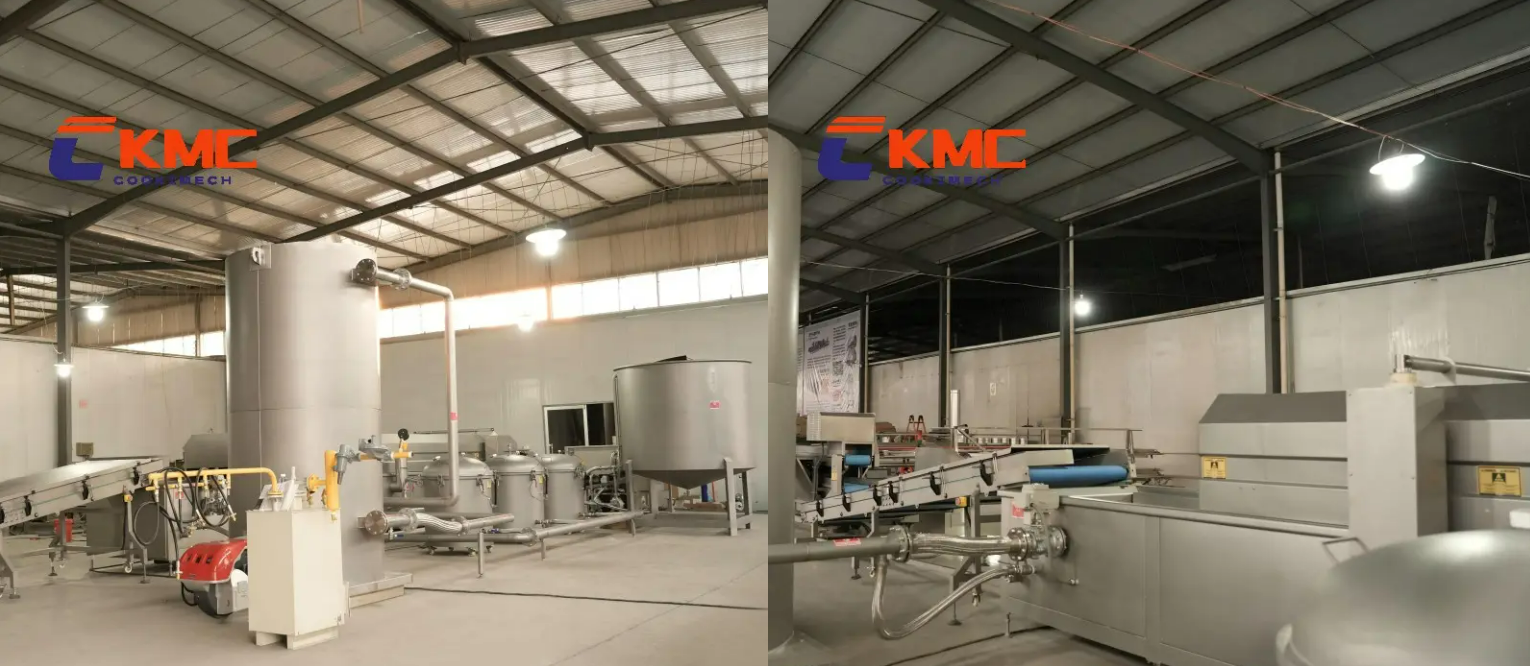
Dwell time calibration and agitation design for consistent heat transfer
Getting the dwell time just right means each item gets exactly the same heat treatment, and when we fine tune those agitation settings, we say goodbye to those pesky cold spots. The belts move at matching speeds while the paddles are set up to create all sorts of turbulence in the oil bath, especially around oddly shaped foods. We usually see moisture levels stay within about 3% difference between batches. Why does this matter? Well, without such careful control, we'd end up with either raw centers or burnt surfaces. And nobody wants that when dealing with delicate stuff like battered veggies or crispy chicken coatings where texture is everything.
Case study: Dual-belt industrial fryer achieving L* color SD < 0.8 in potato chip batches
One major food processor recently put in place a dual conveyor setup featuring separate control zones for each section. This helped bring down color differences measured as L* values to below 0.8 across their 500kg potato batches. The top conveyor belt first removed extra surface moisture, while the bottom one created just enough turbulence to cut down on oil absorption by about 18% compared to traditional single belt systems. What's really impressive is how consistent the results stayed from batch to batch, even when there was up to 15% variation in the solid content of the potatoes. They checked this over a full year at 27 different plants and found the same reliable performance throughout all those locations.
Integrated Process Validation: Ensuring Repeatable Quality Across Batches
Real-time oil quality monitoring (polar compounds, FFA) and automated hold-point triggers
Keeping an eye on polar compounds and free fatty acids (FFA) during batch frying operations sets up important quality checkpoints for food processors. Modern inline sensors watch how the oil breaks down every single minute, and will kick in automatic oil changes once those pesky polar compounds hit that 24% limit set by the EU regulations from 2023. The system works in real time so there's no waiting around for bad flavors to develop or worrying about dangerous acrylamide forming because of old oil. Plus, nobody has to do all that tedious manual testing anymore. Smart software actually connects sudden jumps in FFA levels (anything over 2%) with what's coming into the fryer next. Based on this info, the system tweaks cooking times automatically to keep everything tasting just right without any guesswork involved.
Traceability protocols: From batch ID logging to post-fry microbiological verification
Digital batch records track over 15 different parameters during production runs. These include things like raw material lot numbers, how much the oil temperature fluctuates around 0.3 degrees Celsius, and when conveyor speeds were last calibrated. After frying, there's mandatory ATP swab tests done on every third batch just to be sure nothing goes wrong with microbial counts staying under 50 colony forming units per square centimeter according to those new FDA rules from 2024. The whole system works in a loop where we document three straight production batches because that's what pharma grade manufacturing requires for audit trails showing consistent quality across products. We also use statistical process control charts to see how our process settings affect things like color differences measured in Delta E values below 1.2 and keeping moisture levels stable within plus or minus 0.4 percent standard deviation.
FAQ
Why is maintaining tight temperature control important in industrial frying?
Maintaining tight temperature control is crucial because it prevents undercooked products and premature oil breakdown, extending the oil's lifespan and reducing harmful compounds in the food.
How do PID controllers help in maintaining consistent frying conditions?
PID controllers adjust the heat input based on real-time temperature, compensating for thermal load changes to ensure uniform output, even with batch variations.
What is the significance of dual-belt systems in industrial fryers?
Dual-belt systems create separate control zones, helping in controlling moisture and heat transfer, leading to consistent product quality and reduced oil absorption.