 EN
EN

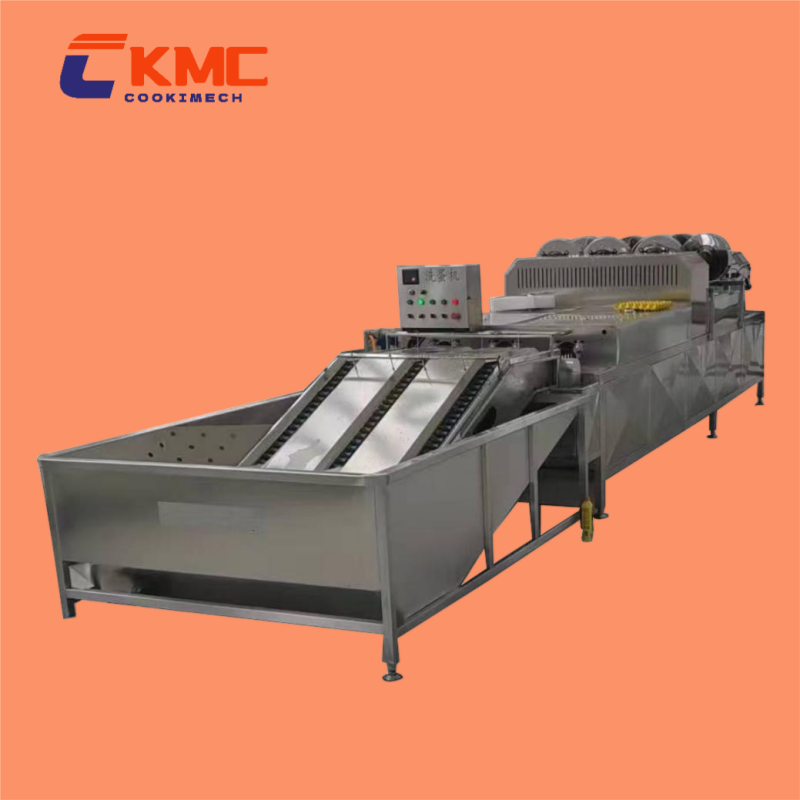
How Automated Egg Washing Machines Improve Commercial Hygiene and Efficiency
From manual cleaning to automated egg washing machines systems
Hand washing eggs just doesn't cut it anymore when it comes to keeping things clean. The old ways leave plenty of room for germs to stick around and give unpredictable results every time. That's where modern egg washers come in handy. These egg washing machines have those fancy programmable settings and go through several cleaning stages, cranking out around 3,000 eggs each hour which beats the pants off what humans can do manually according to some recent industry numbers from last year. What makes these systems really work well is how they keep the water right around 110 to 120 degrees Fahrenheit. This temperature range helps get rid of dirt without shocking the eggs too much, and studies published in the Poultry Processing Journal back in 2023 showed this approach cuts down on broken eggs by about 22 percent compared to the outdated methods still used in some places.
HACCP-compliant monitoring and its impact on food safety standards
Hazard Analysis Critical Control Point tracking when automated gives facilities real time oversight of how much sanitizer is actually present, measuring down to about half a part per million accuracy while constantly checking pH levels too. According to USDA data from last year, places that implement these automated systems see around three quarters fewer problems with sanitation compared to old fashioned manual record keeping methods. The system works by having built in sensors that tweak the amount of chemicals being used so they stay within FDA standards for bacteria on surfaces (needs to be less than one colony forming unit per square centimeter). This means facilities can stay compliant with all those complicated regulations under 21 CFR Part 118 without needing someone there to manually check everything all day long.
The role of throughput in modern egg processing efficiency
Modern egg processing lines can move around 30 thousand eggs every hour with nearly perfect alignment accuracy thanks to those specialized roller mechanisms and brush systems that spin between 12 to 18 revolutions per minute. The cleaning nozzles are adjustable too, putting out about 2.5 gallons each minute at 25 pounds per square inch pressure. That's enough to knock off dirt and stuff without cracking any shells. When companies switch from hand sorting to these automated systems, they typically cut down on labor expenses by about two thirds according to recent industry reports from Poultry Tech in their 2023 study. This kind of efficiency makes it much easier for operations to grow without constantly adding more staff members to keep up with production demands.
Core Components of an Egg Washing Machine with Integrated Conveyor and Drying System
Modern egg washing machines integrate food-grade materials and precision engineering to automate sanitation while protecting shell quality. Their modular design supports facilities processing between 500 and 30,000 eggs per hour.
Conveyor-Based Egg Washing Machine Processing Systems: Ensuring Consistent Flow
Steel mesh conveyors with variable speed controls (2–15 ft/min) transport eggs gently through each stage, minimizing rotational stress. Gap sensors ensure consistent 1.5–2 cm spacing between eggs, preventing collisions during transfers and maintaining flow stability across high-speed lines.
Key Stages: Pre-Wash, Wash, Rinse, Sanitize, and Dry
- Pre-Wash: High-pressure 40°C water jets remove up to 85% of surface debris before primary cleaning.
- Wash: Dual rotating brushes (150–200 RPM) apply alkaline detergents to loosen organic matter.
- Rinse: A rapid 55°C rinse removes residual chemicals in under 8 seconds.
- Sanitize: Quaternary ammonium compounds reduce Salmonella by 99%.
- Dry: Heated air knives at 60°C lower moisture content to less than 3% within 20 seconds, inhibiting microbial growth.
High-Efficiency Egg Cleaning Technology for Optimal Contamination Removal
Cross-flow filtration recycles 70% of wash water by removing particulates larger than 50 microns, reducing resource consumption and wastewater volume. Self-cleaning nozzles maintain uniform spray patterns at 15–20 PSI throughout extended 8-hour shifts, ensuring consistent cleaning performance.
Integration of Sani-Touch Models (Model 5, 10, 20, 30) in Continuous Operation Lines
NSF-certified Sani-Touch units feature touchscreen HMIs that allow operators to adjust wash duration (30–120 sec) and detergent concentration (1–3%) in real time. The Model 30’s dual-lane configuration processes 36,000 eggs daily—equivalent to replacing 12 manual workers—while maintaining seamless integration into continuous production lines.
The Science of Egg Sanitation: Reducing Pathogens Without Compromising Shell Quality
Microbial load reduction through automated washing and drying cycles
Automated systems reduce microbial load by 90–95% compared to manual cleaning, thanks to precisely timed wash-rinse sequences that eliminate contaminants without damaging the shell’s natural cuticle. Synchronized cycles ensure complete coverage while preserving structural integrity, a critical factor in meeting both hygiene and grading standards.
Chemical vs. thermal sanitation: Effectiveness in conveyor-based systems
For conveyor driven production lines, the choice usually comes down to either chemical sanitizers such as chlorine based solutions or thermal approaches involving hot water or heated air. When it gets up to about 120 degrees Fahrenheit (that's roughly 49 Celsius), thermal treatments knock out Salmonella pretty thoroughly without leaving behind any residue. But watch out if chemicals aren't rinsed properly afterward because this can actually make things worse for food safety standards. Some recent testing has pointed toward these hybrid approaches where ozone is added into thermal sanitation processes. These mixed methods seem to work much quicker too, cutting down on pathogen kill time by around 85 percent according to preliminary results, all while keeping eggs looking good and tasting fresh.
Data insight: Up to 99.9% pathogen reduction in commercial tunnel egg washers
Industrial tunnel washers employing multi-stage protocols achieve near-sterile egg surfaces, with field tests in 2023 reporting 99.9% reductions in E. coli and Enterobacteriaceae. Programmable logic controllers (PLCs) dynamically adjust water pH, detergent levels, and dwell times based on input from real-time contamination sensors, ensuring optimal sanitation under varying load conditions.
Balancing sanitation efficacy with eggshell integrity
Over-scrubbing or excessive heat can damage shell structure, increasing pore size and the risk of bacterial ingress. Advanced systems incorporate adaptive pressure controls and infrared moisture detection to limit shell damage to 1.5%. Research confirms these optimized processes preserve USDA Grade AA quality while satisfying strict HACCP safety benchmarks.
Egg Drying Systems: Enhancing Shelf Life and Safety in High-Volume Processing
Importance of Automated Egg Drying in Post-Wash Hygiene and Preservation
Leftover moisture from washing eggs can actually become a breeding ground for harmful bacteria. The good news is automated drying systems tackle this problem head on. These machines blast away surface water with controlled air flow, cutting down contamination risks to nearly nothing according to Ponemon's research from last year. What makes them so effective? They keep the protective layer on eggs intact while stopping microbes from growing back again. As a result, eggs stay fresh much longer than when dried manually. We're talking about extending shelf life anywhere from 30% to half again as long. For big egg producers, this means safer products reaching consumers and significantly less food going to waste across their entire operation.
Ambient vs. Heated Drying: Performance Comparison in Commercial Settings
Room temperature air drying saves around 20 to 30 percent on energy costs compared to other methods, though it takes about twice as long to complete the process. The alternative approach involves heating the system between 35 and 45 degrees Celsius, allowing products to reach FDA approved dryness levels three times quicker than standard methods. Recent tests from 2023 found these heated systems reduced harmful bacteria counts by 2.8 logs per gram, significantly better than the 1.5 log reduction seen with ambient drying techniques. There is one catch though with the heated option: controlling humidity becomes absolutely critical. Without proper management, up to 2 percent of production batches can develop cracks in their shells, something manufacturers need to watch closely during operation.
Seamless Integration of Drying with Conveyor-Based Washing Lines
The drying modules work right in sync with the washing conveyors ahead of them, keeping things moving at around 900 to 1,200 eggs every minute. These systems have infrared sensors that check how porous the shells are as they go along, then tweak the air flow and heat settings on the fly so moisture stays below 0.1%. What makes this setup really effective is that it cuts down on manual handling almost completely. According to recent USDA checks from last year, facilities using this method saw an impressive drop in contamination problems – somewhere around three quarters less than before. That kind of improvement speaks volumes about how clean and efficient modern egg processing can be when done right.
FAQ: Automated Egg Washing Machines
Are automated egg washing machines better than manual washing?
Yes, automated egg washing machines are significantly better than manual washing methods. They offer more consistent cleaning, improved hygiene, and reduce labor costs and breakage.
How does HACCP compliance improve food safety in egg washing?
Automated HACCP-compliant systems provide real-time tracking and adjustment of sanitizers and pH levels, ensuring optimal food safety standards and reducing sanitation issues compared to manual tracking.
What benefits do conveyor systems offer in egg processing?
Conveyor systems enhance efficiency by transporting eggs smoothly through cleaning stages, reducing stress and collisions, ensuring consistent cleaning and sanitation.
How do automated drying systems affect egg shelf life?
Automated drying systems extend egg shelf life by eliminating moisture that can foster bacteria growth, thereby maintaining freshness longer than manual drying methods.
What are the differences between ambient and heated drying techniques?
Ambient drying saves energy costs but takes longer, whereas heated drying is quicker and more effective but requires careful humidity control to prevent shell cracking.
Table of Contents
- How Automated Egg Washing Machines Improve Commercial Hygiene and Efficiency
- Core Components of an Egg Washing Machine with Integrated Conveyor and Drying System
- The Science of Egg Sanitation: Reducing Pathogens Without Compromising Shell Quality
- Egg Drying Systems: Enhancing Shelf Life and Safety in High-Volume Processing
-
FAQ: Automated Egg Washing Machines
- Are automated egg washing machines better than manual washing?
- How does HACCP compliance improve food safety in egg washing?
- What benefits do conveyor systems offer in egg processing?
- How do automated drying systems affect egg shelf life?
- What are the differences between ambient and heated drying techniques?