 EN
EN
Enhanced Efficiency: How Egg Washing Machines Maximize Throughput and Reduce Labor Costs
Tunnel Washer Design and Continuous-Flow Automation for High-Volume Operations
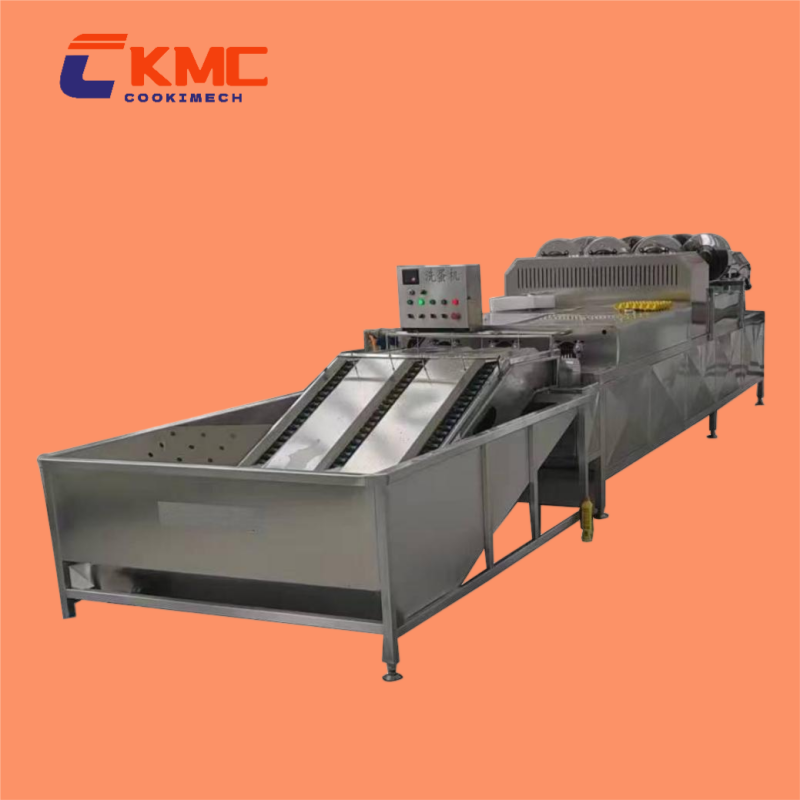
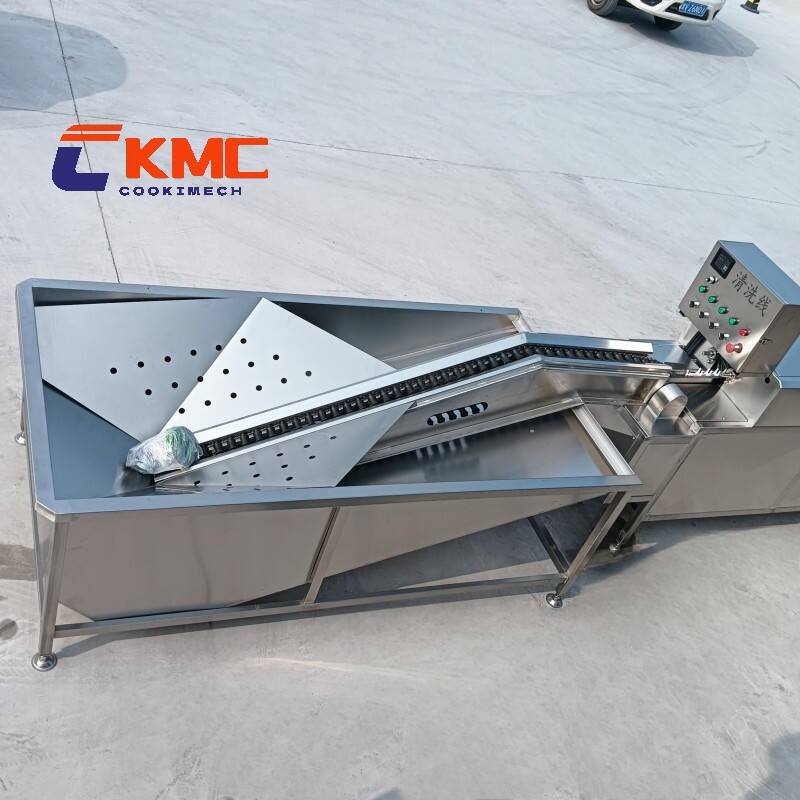
Today's egg washing systems typically feature tunnel designs with conveyor belts that move eggs along while rotating brushes scrub away debris and precision nozzles apply just the right amount of cleaning solution. These machines can handle anywhere from 8,000 to 12,000 eggs each hour, which is pretty impressive when considering traditional methods. The continuous flow setup cuts down on those annoying manual handling issues that slow things down, plus it keeps around 98.6% of shells intact something that matters a lot for eggs destined for grocery stores and restaurants. Most modern units come equipped with automatic temperature control for the wash water and brushes that adjust pressure based on what kind of eggs are running through the system small farm fresh ones versus larger commercial grades. This attention to detail makes sure everything gets cleaned properly without breaking anything. And let's not forget about water savings either these closed loop systems drink about 30% less H2O than older batch style operations, which means lower bills at the end of the month for producers who care about their bottom line as much as they do about efficiency.
Real-World Performance: Throughput Gains and ROI Data from Leading Egg Processing Facilities
According to the Poultry Operations Journal from last year, commercial egg farms have seen their order processing speeds jump anywhere between 45 to 50 percent once they started using automated egg washing systems. The main reasons for this speed boost? These machines can run around the clock without needing breaks, plus they cut down on all that tedious manual sorting work most plants used to require. We're talking about saving roughly two and a half full time employees worth of labor per shift in many cases. Take one facility in the Midwest as an example they actually got their money back within just eleven months thanks to those labor cost reductions amounting to about $740,000 each year plus fewer broken eggs. Another nice side effect is that since these systems operate continuously, they match better with how hens naturally lay eggs throughout the day, so there's less chance of building up too much inventory when production peaks.
Superior Hygiene: Egg Washing Machine Compliance with Global Food Safety Standards
Pathogen Reduction Efficacy: Salmonella and E. coli Mitigation Verified by USDA-FSIS and EFSA Protocols
The latest egg washing equipment can knock down Salmonella and E. coli by about 99.999%, which meets those tough USDA FSIS and EFSA food safety requirements. How do these machines work so well? They combine mechanical scrubbing action with carefully maintained water temps between 40 and 48 degrees Celsius, plus just the right amount of time for disinfectants to do their job. According to reports from top egg processing plants, switching to automated systems has cut compliance issues by around 72% since 2023 according to USDA data. The machines simply produce much more reliable results when killing microbes compared to what humans can manage manually. There are several key factors that make all this possible:
- Pre-wash debris removal to prevent cross-contamination
- Mid-cycle disinfectant dwell time (>45 seconds)
- Post-wash residual testing confirming <1 CFU/swab
Sanitizer Optimization: Chlorine Alternatives, Residual Limits, and Final-Rinse Validation
With tightening global chlorine restrictions—including the EU’s 0.2 ppm residue limit—operators increasingly adopt peracetic acid (PAA) and quaternary ammonium compounds. PAA delivers equivalent pathogen kill at 80–120 ppm without corrosive effects (Journal of Food Protection, 2023).
User-Centric Operation: Intuitive Controls, Low Training Burden, and Line Integration Flexibility
Today's egg washing equipment focuses heavily on making life easier for operators with interfaces designed specifically to shorten the learning curve and boost overall productivity. The touchscreens come with clear visual displays showing things like water temps, belt speeds, and sanitizer levels, which cuts down on setup errors by around two thirds when compared to old fashioned dial systems according to a report from Food Processing Technology Review back in 2022. Factory workers appreciate the color coded warnings system too, plus the fact that the machine can be operated in several languages means new hires get up to speed in less than three hours most of the time. These machines speak the same language as other factory equipment thanks to standard protocols like OPC UA and Modbus TCP. That means they slot right into existing grading scales, packing bots, and SCADA systems without needing expensive upgrades. All this connectivity keeps data flowing smoothly all the way from the wash station right through to packaging. What we're seeing is equipment that actually helps workers instead of getting in their way, turning what could be complicated operations into straightforward tasks.
Total Cost of Ownership: Long-Term Value Beyond the Egg Washing Machine Purchase Price
Total Cost of Ownership (TCO) quantifies all expenses tied to commercial egg washing equipment—from acquisition to decommissioning. While upfront pricing matters, lifecycle costs like maintenance, energy, and spare parts availability determine true ROI.
Maintenance Efficiency, Energy Use, and Spare Parts Availability Across Service Lifecycles
Modern egg washing machines integrate energy-efficient pumps (reducing consumption by up to 40%) and tool-free access panels that cut maintenance time by 30%. Modular component designs ensure spare parts remain available for 10+ years, minimizing downtime.
Scalability and Retrofit Compatibility with Existing Egg Grading and Packing Lines
Leading egg washing systems feature standardized interfaces, allowing seamless integration with legacy grading or packing lines. Facilities can retrofit automation modules incrementally—boosting throughput by 25% while preserving 85% of existing infrastructure. This scalability future-proofs operations against evolving production volumes and regulatory expectations.
FAQs
How do egg washing machines reduce labor costs?
Egg washing machines reduce labor costs by automating the cleaning process, which saves roughly two and a half full time employees worth of labor per shift.
What are the safety standards egg washing machines comply with?
Egg washing machines comply with USDA FSIS and EFSA food safety standards, ensuring pathogen reduction of about 99.999%.
Are egg washing machines easy to operate for new employees?
Yes, egg washing machines are designed with intuitive controls that help new employees become operationally efficient in less than three hours.
How do egg washing machines save water?
Modern egg washing machines use closed loop systems that save about 30% more water compared to older batch-style operations.
Table of Contents
- Enhanced Efficiency: How Egg Washing Machines Maximize Throughput and Reduce Labor Costs
- Superior Hygiene: Egg Washing Machine Compliance with Global Food Safety Standards
- User-Centric Operation: Intuitive Controls, Low Training Burden, and Line Integration Flexibility
- Total Cost of Ownership: Long-Term Value Beyond the Egg Washing Machine Purchase Price
- FAQs