 EN
EN
How Egg Washing Machines Work: From Manual Cleaning to Automation
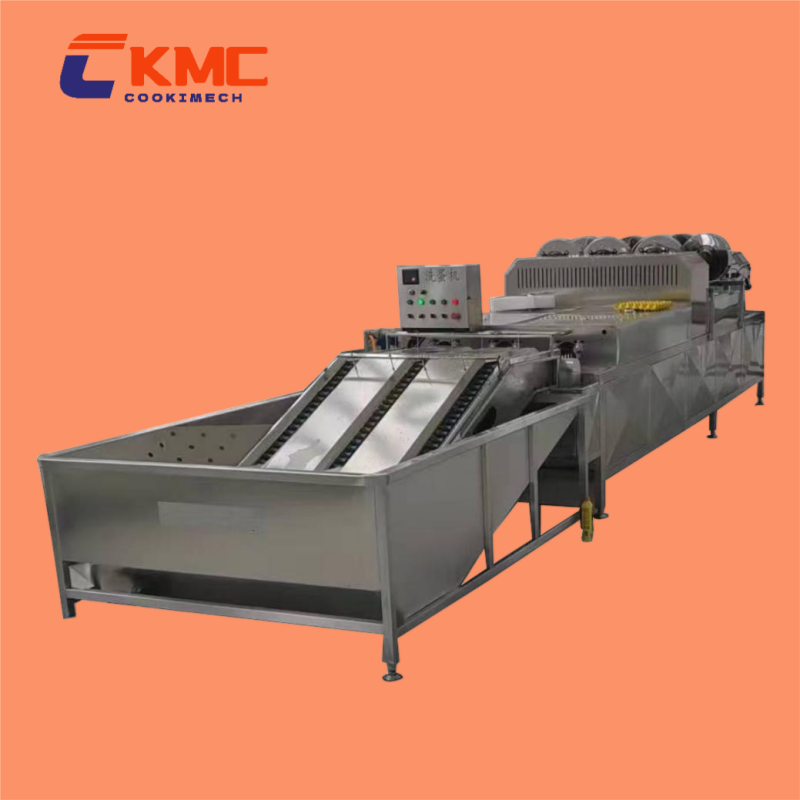
What Is an Egg Washing Machine and Its Role in Commercial Tunnel Egg Washers
Egg washing machines are basically designed to clean and sanitize eggs through rotating brushes, safe cleaning agents, and drying systems that get rid of excess moisture. The commercial versions often have tunnels where eggs travel along conveyor belts passing through different cleaning stages. Each section focuses on removing various types of dirt including bird droppings and bits of feathers that might stick to the shells. These newer models can eliminate dangerous germs such as Salmonella without damaging the natural protective layer of the eggshell. Tests show these machines typically cut down on microbes by about 99%, which makes them pretty effective for keeping eggs safe from contamination.
Evolution From Manual Cleaning to Automated Egg Washing Machine Systems
Farms used to depend heavily on manual scrubbing and drying before automation came along, which often meant uneven cleaning results and plenty of broken shells during handling. Things started changing back in the 80s when mechanical brush washers made their appearance, and since then we've seen some pretty impressive advancements. Nowadays there are these smart machines that actually monitor water temps and pH levels in real time as they work. A study from FAO in 2021 found something interesting too. Farms that switched to automation saw around 73% fewer problems with contaminated products getting recalled, plus their processing times went up threefold compared to traditional methods. Makes sense really, considering how much human error gets eliminated this way.
Core Components and Stages in Automated Egg Washing Machine Processing
Automated systems operate through four key stages:
- Pre-Cleaning Air Jets: Remove loose debris without water use
- Multidirectional Brushes: Gently scrub shells at 30–40 RPM to prevent fractures
- Chlorine-Based Sanitization: Maintain 50–100 ppm concentrations for effective pathogen control
- Closed-Loop Drying: Recycle warm air to reduce energy consumption by 20%
Top-tier models now include pressure sensors that adjust brush intensity based on egg size, ensuring consistent cleaning across free-range and conventional eggs.
Step-by-Step Automated Egg Washing Process
Modern egg washing machines convert raw eggs into safe, shelf-ready products through five engineered stages, minimizing human error and meeting strict food safety standards.
Stage 1: Pre-wash inspection and removal of surface debris
Eggs undergo optical scanning to detect cracks or defects. Compressed air jets remove feathers, dust, and other loose particles, while flawed eggs are automatically diverted to prevent cross-contamination. In high-volume facilities processing over 100,000 eggs per hour, this step eliminates 92% of visible impurities before wet cleaning begins (Food Safety Magazine 2023).
Stage 2: High-pressure washing with food-safe detergents
Silicone brushes rotate under precisely calibrated 110°F (43°C) water jets to gently clean shells. NSF-approved alkaline detergents dissolve organic residues without damaging the natural cuticle. Integrated sensors dynamically adjust water pressure based on shell thickness, optimizing cleaning for different egg types.
Stage 3: Rinse cycle to remove detergent residue
A multi-nozzle freshwater cascade rinses away cleaning agents, with water maintained between 104–113°F (40–45°C) to avoid thermal shock. This ensures detergent levels drop below 0.5 ppm—well under the USDA’s 2 ppm limit for commercial operations.
Stage 4: Sanitization using chlorine-based agents for shell disinfection
Eggs are immersed in a 50–100 ppm chlorine solution for 10–15 seconds, achieving 99.9% pathogen reduction as defined by FDA protocols. Automated titration systems maintain chlorine levels within ±5 ppm, ensuring consistent disinfection and compliance.
Stage 5: Rapid drying to prevent microbial recontamination
High-velocity air tunnels dry eggs in under 90 seconds, keeping temperatures below 122°F (50°C) to preserve quality. This rapid drying creates a moisture-free surface that inhibits microbial adhesion, reducing post-processing contamination risks by 73% compared to manual methods (Journal of Food Protection 2023).
Food Safety and Regulatory Compliance in Egg Washing Machine
Why Egg Washing Is Critical for Hygiene in Large-Scale Production
According to research from the USDA on poultry safety, automated systems can remove nearly all surface germs from eggs, getting rid of around 99.7% of dangerous stuff like Salmonella enteritidis. When processing plants deal with over 50 thousand eggs every single hour, trying to clean them by hand just doesn't work anymore. The numbers simply don't add up when it comes to both time and effectiveness. To stay compliant at this scale, operations need strict control over several factors. Water temperature must be kept between 43 and 49 degrees Celsius throughout the process. Special detergents with balanced pH levels are also required, along with separate channels for waste disposal. These measures ensure that microbial standards are met across the board, which remains critical for any facility looking to maintain proper food safety protocols without breaking regulatory rules.
Meeting FDA and USDA Standards Through Proper Egg Sanitation
Federal regulations require egg processors to:
- Keep wash water at least 11°C warmer than internal egg temperature
- Use only FDA-approved detergents (GRAS List Category 3)
- Document sanitization cycles every four hours
The USDA’s Agricultural Marketing Service (AMS) conducts annual audits across 23 hygiene parameters, including residual detergent levels and shell integrity. Non-compliant operations face mandatory 72-hour shutdowns and system recalibration.
Safe Use of Sanitizing Agents: Chlorine Levels and Regulatory Limits
Chlorine remains the primary sanitizer, but its use is tightly regulated:
| Stage | FDA Maximum Allowable | EU Equivalent Standard |
|---|---|---|
| Wash Cycle | 100 ppm | 80 ppm |
| Final Rinse | 50 ppm | 30 ppm |
| Shell Surface Residual | 1 ppm | 0.5 ppm |
Recent FSIS directives (2024) require inline chlorine sensors for continuous monitoring, replacing outdated dip testing. This prevents oversanitization, which research links to compromised cuticles and increased bacterial penetration.
Improving Throughput and Efficiency in Egg Production with Automation
How Automated Egg Washing Machine Boosts Processing Speed and Consistency
Automation ensures uniform pressure, temperature, and detergent ratios, eliminating variability from manual cleaning. Modern systems process up to 140,000 eggs per hour, far exceeding the 20,000 achievable manually. This efficiency reduces labor costs by 50–70% in large facilities while maintaining consistent sanitation—key for meeting retailer specs and minimizing post-wash inspections.
Measuring Performance: Eggs Processed Per Hour in Tunnel Washers
Throughput capacity varies by model:
| Washer Type | Capacity Range (eggs/hour) | Typical Use Case |
|---|---|---|
| Compact Batch | 5,000–15,000 | Small Farms |
| Mid-Scale Tunnel | 30,000–75,000 | Regional Packers |
| Industrial Tunnel | 100,000–180,000 | National Supply Chains |
Sensor-driven diagnostics support 99.5% uptime by detecting mechanical issues early.
Reducing Bottlenecks Across Cleaning, Grading, and Packaging Stages
Integrated lines synchronize washing with downstream processes, cutting idle time by 85%. Timed conveyors transfer washed eggs directly to graders, eliminating manual transfers that once caused 12–15% throughput loss.
Case Study: Efficiency Gains in a 100,000-Eggs-Per-Hour Facility
A Midwest egg cooperative increased output by 34% after automating cleaning and grading. Standardized cycles and reduced handling errors lowered breakage from 4.2% to 0.9%, while water usage per egg was halved—showcasing how advanced egg washing machines enhance both productivity and sustainability.
Integrating Egg Washing Machines into Full-Scale Processing Lines
Synchronizing Washing with Grading and Packaging Automation
Modern egg washing machines integrate seamlessly with grading and packaging systems via synchronized conveyors, creating a continuous, low-handling workflow. Modular interfaces allow speed adjustments between 10,000 and 120,000 eggs per hour, maintaining USDA sanitation standards throughout transfer stages and ensuring smooth transitions from cleaning to sorting and packaging.
Monitoring Sanitization and Drying Effectiveness with Real-Time Data
Sensors connected to the Internet of Things are now being placed along processing lines to keep tabs on sanitizer levels with about half a part per million accuracy. They also watch over drying temperatures, making sure they stay between roughly 104 and 113 degrees Fahrenheit where food safety standards require it. The reporting system automatically creates compliance documents too, which has helped around 9 out of 10 big facilities meet those tricky FDA 21 CFR Part 118 regulations according to USDA data from last year. When something goes off track, operators get instant notifications. For instance, if chlorine falls under 50 ppm mark or when humidity climbs past 85% relative humidity, these warnings come through so problems can be fixed before bacteria starts growing again in unsanitary conditions.
Emerging Trends: AI and Sensor Technology in Next-Gen Egg Washing Systems
New prototype designs are starting to use multispectral imaging tech to spot those tiny hairline cracks in processing equipment long before any cleaning happens. According to research published in Poultry Science last year, this early detection cuts down on bacteria getting inside by around two thirds. Meanwhile, some smart systems now run machine learning models that look at past performance data to figure out when maintenance might be needed as much as three days ahead of time. The poultry industry is also testing hybrid approaches where they combine UV-C LED lights with traditional chlorine washes. These experimental setups managed to kill off nearly all Salmonella during lab tests, hitting that impressive 99.98% mark, and they actually consume 40% less water than conventional methods. What we're seeing here represents something pretty significant for egg processors looking to modernize their operations without breaking the bank on resources.
Frequently Asked Questions
How do egg washing machines maintain egg integrity during cleaning?
Egg washing machines use multidirectional brushes that gently scrub shells at specific RPMs to prevent fractures, ensuring egg integrity during the cleaning process.
Are automated egg washing systems more cost-effective than manual cleaning?
Yes, automated egg washing systems reduce labor costs by up to 70% and improve processing speed, making them more cost-effective than manual cleaning methods.
What regulatory standards do egg washing machines need to meet?
Egg washing machines must comply with FDA and USDA standards, including maintaining specific water temperatures and chlorine levels, using approved detergents, and documenting sanitization cycles.
Can automated egg washing systems help in reducing contamination risks?
Yes, automated systems significantly reduce contamination risks by eliminating human error and ensuring consistent cleanliness, achieving pathogen reduction rates as high as 99.9%.
Table of Contents
- How Egg Washing Machines Work: From Manual Cleaning to Automation
- Step-by-Step Automated Egg Washing Process
- Food Safety and Regulatory Compliance in Egg Washing Machine
- Improving Throughput and Efficiency in Egg Production with Automation
- Integrating Egg Washing Machines into Full-Scale Processing Lines
- Frequently Asked Questions