 EN
EN
The Importance of Hygiene: How Egg Washing Machines Prevent Contamination
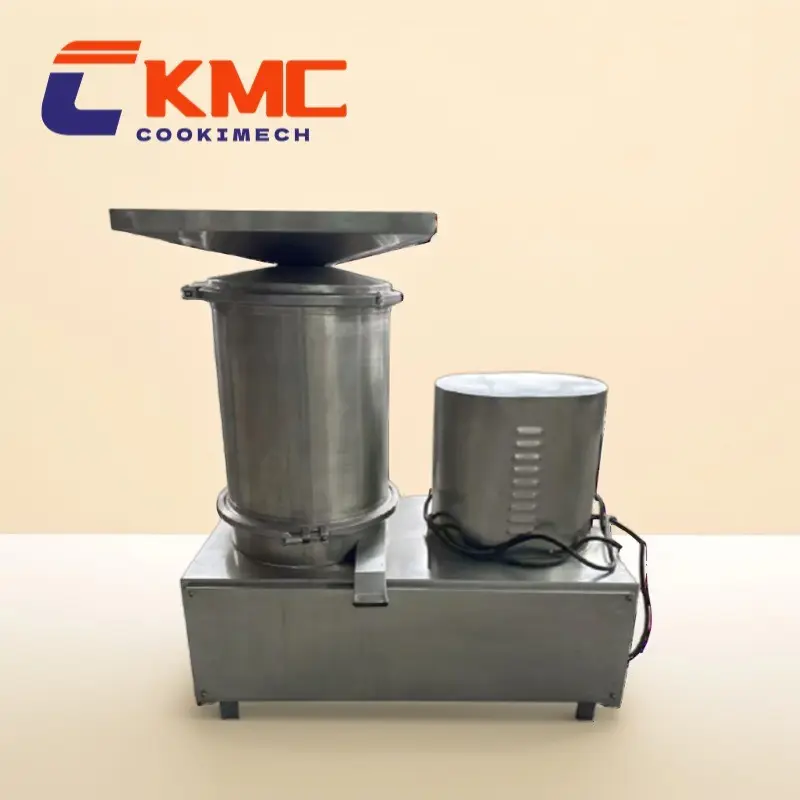
Understanding Egg Washing Machine Functionality and Cleaning Process
Today's egg washing machines go through several steps to get rid of dirt and stuff while keeping the eggs intact. First off, automated systems check each egg carefully looking for any cracks or damage. Then comes the real cleaning part where rotating brushes work alongside special food safe cleaners to give those shells a good scrub down. According to research from last year, when manufacturers tweak their spray nozzles just right, they can cut down bacteria levels by almost all - around 99.8% actually - without harming the delicate shell structure. After this comes the rinse stage using water at just the right temperature so it doesn't surprise the eggs with sudden heat changes. Finally everything gets dried quickly which helps stop any leftover microbes from growing on there.
Hygiene Standards in Poultry Farming and Regulatory Compliance
The use of egg washing machines allows farms to comply with those tough food safety standards set by the FDA's Egg Safety Rule and the EU's Regulation 589/2008. Most industry experts suggest keeping the water temperature around 40 to 48 degrees Celsius or roughly 104 to 118 Fahrenheit when cleaning eggs. They also recommend using pH neutral detergents because this helps keep the egg shells intact while still getting rid of contaminants. According to recent agricultural reports from 2023, farms that have switched to automatic washing systems see about 72 percent fewer problems with USDA inspections than those who stick with old fashioned hand washing techniques. This makes sense since automation reduces human error and ensures consistent results across all batches.
How Bacterial Contamination Reduction Extends Egg Shelf Life
By eliminating Salmonella enteritidis and other pathogens, egg washing machines prevent microbial penetration through shell pores. Properly sanitized eggs exhibit:
- 35% slower albumin breakdown (yolk stability)
- 18% reduced weight loss during storage
- 25% longer shelf life under refrigeration
This contamination control directly translates to reduced spoilage rates and expanded distribution reach for poultry operations.
Boosting Operational Efficiency with Automated Egg Washing Machine Systems
Use of egg washing machines in commercial poultry farms for throughput optimization
The latest egg washing technology lets commercial poultry operations handle between 8,000 to 12,000 eggs every hour with brush cleaning, water sprays, and drying all happening automatically. These machines take away those frustrating manual sorting delays and keep around 98.6% of shells intact, which matters a lot when supplying big grocery chains. According to a recent study from Poultry Operations Journal (2023), farms that switched to this system saw their orders get processed about half again as fast as before. The constant running time actually works better with how hens lay eggs throughout the day too.
Measuring efficiency in egg processing: Time, labor, and waste reduction metrics
Key performance indicators reveal why automated washing dominates commercial-scale operations:
| Metric | Manual Process | Machine Process | Improvement |
|---|---|---|---|
| Labor Hours/10k Eggs | 14.2 | 3.1 | 78% Reduction |
| Water Usage/Egg | 1.2 liters | 0.4 liters | 66% Savings |
| Processing Defects | 6.9% | 1.4% | 79% Lower |
These efficiency gains directly correlate with 23% higher profit margins in high-volume operations.
Case Study: Productivity gains at a 50,000-bird facility using Qingdao Cookimech Co Ltd equipment
A family-owned farm in Iowa cut their daily egg processing time down from nearly 10 hours to just over 2 hours once they installed automated washing tech from a top manufacturer. The system works hand in hand with grading sensors too, which saved them around $8,200 every month on packaging staff wages. Plus, they're getting about 17% more market ready eggs coming out of the process now. These kinds of improvements aren't just numbers on paper either. When a farm can free up so much time and money while actually boosting output, it makes all the difference in staying competitive these days.
Manual vs. Machine: Why Automated Egg Washing Outperforms Traditional Methods
Manual Cleaning Limitations and Contamination Risks
The old fashioned way of cleaning eggs just cant keep up with today's hygiene requirements because people apply pressure unevenly and often leave dirt behind. When workers process around 200 to 300 eggs each hour, they tend to overlook fecal material and bacteria about 12 to 15 percent of the time. This means there's roughly three times more chance of Salmonella getting into the eggs compared with what happens when machines do the job. Plus, the temperature changes during hand washing damage the egg's natural protective layer, which makes it easier for bad stuff to get inside where it shouldn't be.
Superior Consistency and Coverage of Egg Washing Machine Sanitation
Today's egg washing machines cut down on mistakes made by people thanks to their programmable spray nozzles and those spinning food grade brushes that get every part of the egg clean at once. The water jets are pressure controlled too, keeping things around 40 to 45 degrees Celsius which is just right for cleaning. According to some recent FDA standards from 2023, these machines knock out about 99.8 percent of dirt and grime on the surface. What really stands out though are the built in drying systems. They take care of any leftover moisture, something super important because wet eggs can become breeding grounds for bad bacteria. This level of cleanliness simply cannot be matched when someone tries doing it manually with hand held equipment.
Innovations in Egg Washing Machine Technology and Long-Term ROI
Innovations in Spray Nozzles, Brush Systems, and Drying Mechanisms
The latest egg washers come equipped with specially designed spray nozzles that cut down on water usage by around 25%, all while still killing nearly all bacteria (about 99.8% according to Food Safety Journal from last year). The machines also have rotary brushes that can be adjusted for different hardness levels, so they work well for eggs of various sizes without damaging the shells. Plus there are infrared dryers that get rid of moisture about 40% quicker than older methods. Put it all together and these improvements mean fewer mistakes during processing compared to what we saw ten years ago, somewhere between 15 to 20% less error rate actually.
Integration With Grading and Packaging Lines for End-to-End Efficiency
Big name egg producers are rolling out these integrated systems these days, where cleaned eggs just roll right into automatic grading and packing machines. The whole process cuts down on hands-on work by almost all - around 90% according to industry reports - while moving through at impressive speeds, hitting about 36 thousand eggs per hour in those large scale operations. A well known brand in the business saw their cracked egg rate drop by nearly a quarter during transfers once they hooked up their washing and packaging lines together. Makes sense really, since fewer touches means less chance for damage throughout the production chain.
Industry Paradox: High Initial Cost vs. Long-Term ROI in Egg Washing Machine Adoption
Premium egg washers do come with a hefty price tag ranging from around $25k all the way up to $80k initially, but most egg producers find they start seeing returns on their investment pretty quickly. Typically, these operations reach the breakeven point somewhere between 18 and 30 months after installation thanks mainly to saved labor costs plus fewer broken eggs during processing. According to some recent studies done in 2024, large scale operations handling more than 100 thousand eggs each month saw their costs drop by about 34 percent over five years when switching from hand washing to automated systems. The financial benefits get even better considering how strict food safety regulations have become lately. Retailers now demand higher standards which means fewer products getting pulled off shelves due to contamination risks. And let's not forget what those recalls cost businesses financially either. One report from Ponemon back in 2023 put the average recall expense at roughly $740,000 for egg producers alone.
FAQ Section
- Why use egg washing machines? Egg washing machines are employed to ensure hygiene by reducing bacterial contamination, which in turn extends the shelf life of eggs and meets regulatory compliance.
- How do egg washing machines contribute to operational efficiency? They automate the cleaning process, significantly reducing labor hours, water usage, and processing defects, thereby increasing profit margins.
- What is the impact of automated egg washing on shelf life? Automated washing reduces contamination, resulting in slower albumin breakdown, reduced weight loss, and longer shelf life.
- Are there cost benefits associated with using egg washing machines? Despite high initial costs, savings in labor, decreased spoilage, and compliance with safety regulations lead to a profitable return on investment.