 EN
EN
How Automation Improves Efficiency in Egg Processing
Understanding Egg Washing Machine Functionality and Cleaning Process
Today's egg washing machines come equipped with several stages of cleaning that keep eggs clean without damaging their shells. Most units have a first rinse cycle followed by carefully measured detergent application, then finish off with drying using warm air. Some newer machines even feature built-in temperature controls to keep the water just right around 35 to maybe 45 degrees Celsius or so. These settings help wash away dirt and stuff stuck on the shell while still protecting that natural coating on the egg surface that keeps bacteria out. Farmers really appreciate this because it maintains food safety standards without affecting how long the eggs stay fresh after packing.
Automation and Efficiency: How Automated Egg Washing Streamlines Operations
The time it takes to process eggs drops dramatically when using automated systems, somewhere between 60 to 75 percent faster than what humans can manage manually. These modern setups typically combine things like conveyor belts, those spinning brush mechanisms, and those fancy PLC control systems we hear so much about nowadays. The result? Machines that can crack through around 8 thousand to 10 thousand eggs every single hour without missing a beat. And let's not forget about the money saved. Facilities dealing with massive volumes really benefit from this kind of accuracy. Take away just 5% of errors and suddenly there's about fourteen grand less spent each month on wasted product and extra labor hours. Makes sense why so many operations are making the switch these days.
Manual vs. Machine: Why Automated Egg Washing Outperforms Traditional Methods
| Factor | Manual Washing | Automated Washing |
|---|---|---|
| Labor Hours/1k Eggs | 3.2 hours | 0.4 hours |
| Contamination Rate | 2.8% | 0.6% |
| Compliance Rate | 82% | 99.3% |
Data Source: European Egg Processor Report 2023
Automation eliminates human error in critical stages like detergent dosing and rinsing. A 2023 study showed facilities using automated systems achieved 99.3% compliance with USDA sanitation requirements, compared to 82% for manual operations. The same report noted a 40% reduction in labor costs after automation, with ROI periods averaging 14 months for mid-sized producers.
Time-Saving Advantages of Egg Washing Machines in High-Volume Operations
Time-Saving Benefits of Egg Washing Machines in High-Volume Settings
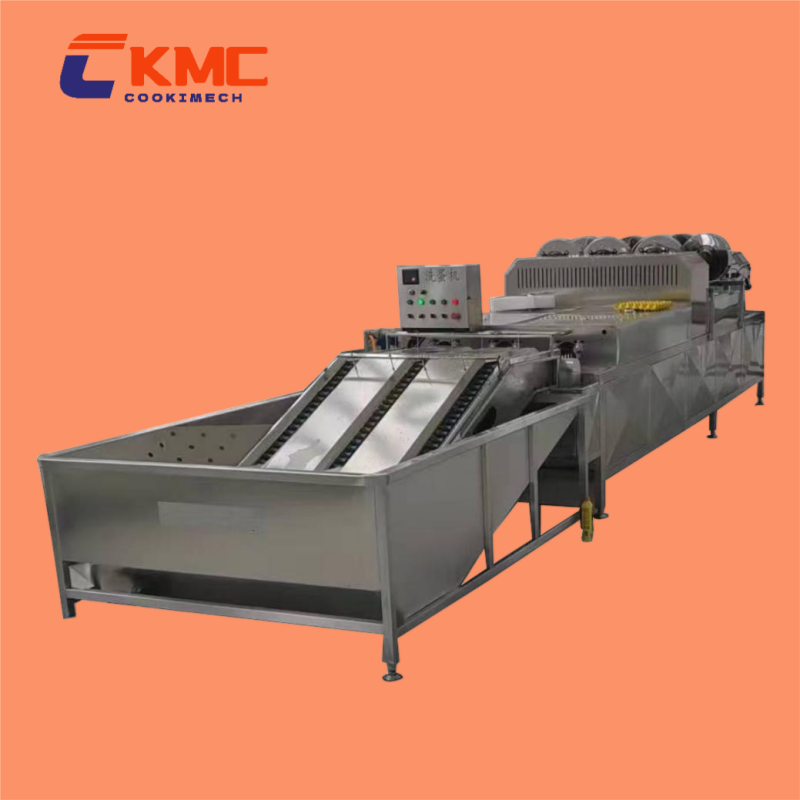
Egg washing machines used in commercial settings let big poultry operations clean around 1200 eggs every hour which is about half the time it takes when done manually. These automated setups take care of all the sorting, scrubbing, and drying steps without creating those annoying slowdowns that happen with hand washing. That means farms can grow their production without hiring extra staff just for egg cleaning. For large operations dealing with over 50 thousand eggs each day, these machines cut down on cleaning time by roughly 70 percent compared to using brushes by hand. Plus they keep things hygienic because operators can set specific water temperatures and adjust how fast the brushes move according to what's needed for different batches of eggs.
Measuring Efficiency in Egg Processing: Time, Labor, and Waste Reduction Metrics
The operational impact of egg washing machines is quantifiable across three key areas:
| Metric | Manual Process | Automated System | Improvement |
|---|---|---|---|
| Processing Speed | 500 eggs/hour | 1,200 eggs/hour | 140% faster |
| Labor Hours/10k Eggs | 8 hours | 2 hours | 75% reduction |
| Contamination Waste | 3% | 0.7% | 77% decrease |
Industry data shows automated systems reduce labor costs by $18/hour per operator in facilities running two daily shifts. Combined with a 0.5% reduction in broken eggs due to gentler robotic handling, these improvements validate the ROI of automation for operations exceeding 100,000 eggs weekly.
Reducing Labor Costs with Automated Egg Washing Technology
Labor Reduction in Egg Processing via Automated Systems
Modern egg washing machines eliminate 75% of manual labor traditionally required for egg cleaning. Where manual methods demanded 5—7 workers per shift, automated systems operate with just 1—2 technicians overseeing the process. A 2023 agricultural efficiency study found poultry farms using automated cleaners reduced labor hours by 64% compared to manual washing lines.
Reduction of Manual Labor Through Automated Egg Washing Technology
Automated systems integrate brushing, spraying, and drying into a single continuous process, removing the need for human intervention at each stage. European operations report saving 3—5 workers per shift after adopting tunnel-style egg washing machines, while maintaining 99.2% hygiene compliance rates—23% higher than manual averages.
Cost-Effectiveness of Automated Egg Cleaning Systems
While commercial egg washing machines require an upfront investment of $25,000—$80,000, they generate $18,400/year in labor savings per eliminated worker position. Farms processing 10,000+ eggs daily typically recover costs within 12—18 months. Compared to manual cleaning’s $4.20/1,000-egg labor cost, automated systems operate at $0.90/1,000 eggs—a 78.5% reduction.
Controversy Analysis: Initial Investment vs. Long-Term Labor Savings
Critics argue smaller farms (<5,000 birds) struggle to justify automation costs. However, 2024 USDA data shows 72% of mid-sized farms using equipment financing plans break even within 28 months while reducing labor-related errors by $740,000 annually (Ponemon 2023). The 7-year ROI for automated systems averages 312%, outperforming manual labor as wage costs continue to rise.
Maximizing Throughput with Commercial Tunnel Egg Washers
Throughput Improvement in Egg Processing Using Tunnel Washers
Tunnel style egg washers can handle anywhere from 3,000 to 5,000 eggs every single hour these days. That's about four times faster than what workers could manage by hand, based on those latest numbers from the poultry industry in 2023. The machines work pretty smartly too, with conveyor belts that move in sync and spray nozzles programmed just right so they clean each egg consistently without slowing things down when there are lots of eggs coming through. A real world example comes from a farm somewhere in the Midwest where switching to this kind of system cut their processing time down by nearly three quarters. They ended up getting almost two extra full days of production each week because of it, which makes all the difference during busy seasons.
Commercial Tunnel Egg Washers and Their Efficiency in High-Volume Operations
Unlike batch-washing systems, tunnel egg washers enable continuous processing through:
- Adaptive pressure controls that adjust for varying egg sizes (28—70 mm diameters)
- Multi-stage sanitation with pre-rinse, enzymatic cleaning, and air-knife drying
- Integrated quality sensors rejecting 99.8% of hairline cracks or surface contaminants
This automation reduces manual egg handling by 85—90%, freeing staff to focus on quality assurance rather than repetitive tasks.
Use of Egg Washing Machines in Commercial Poultry Farms for Throughput Optimization
Big egg farms with around half a million hens are combining tunnel washers for eggs with robotic packing systems these days, which helps them hit about 98% consistent output rates. That kind of reliability matters a lot when trying to meet those USDA Grade A requirements. Take one operation in Pennsylvania as an example they managed to boost their daily egg count from 180k all the way up to 250k without hiring any extra staff beyond their existing team of 12 people once they got the tunnel washer system running. What makes this setup work so well is how it can grow with different sized operations. The system comes in various sizes that let smaller farms start at 50k eggs per day and scale up to over a million eggs as needed, just by adjusting the length of the tunnels between 8 feet and 25 feet depending on what fits their space.
FAQ
What are the benefits of using automated egg washing machines?
Automated egg washing machines streamline operation by reducing processing time by up to 75%, lowering contamination rates, ensuring higher compliance with sanitation standards, and reducing labor costs.
How do tunnel egg washers improve efficiency compared to manual methods?
Tunnel egg washers can handle thousands of eggs per hour, enabling continuous processing with adaptive controls, multi-stage sanitation, and quality sensors, leading to faster, consistent, and hygienic egg washing processes.
Do smaller farms benefit from automated egg washing systems?
While initial costs may be high, financing plans and long-term savings from reduced labor errors and improved efficiency can make automation beneficial for smaller farms, especially as wage costs rise.
What are the long-term savings from implementing automated egg washing technology?
Automated systems reduce labor hours and contamination, offer savings in labor costs (up to $18,400 per year per worker position), and provide returns within 12-18 months for large operations.