 EN
EN

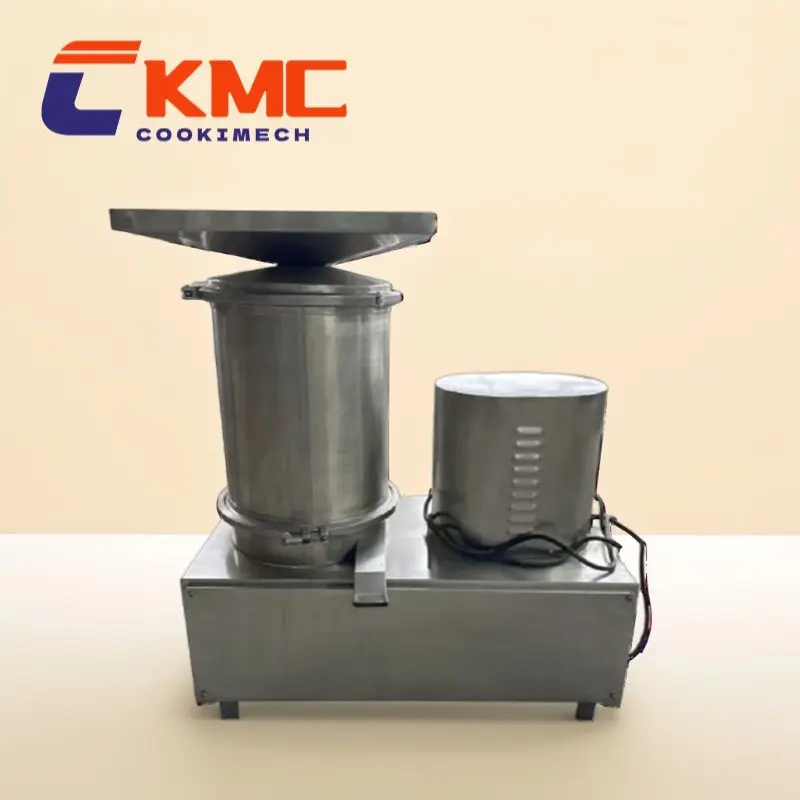
Core Stages of the Egg Washing Process: From Pre-Wash to Drying
Pre-Wash Stage: Initial Debris Removal Using Spray Jets
Today's egg washing systems rely on focused spray jets running around 30 to 40 pounds per square inch to knock off dirt and other stuff stuck on eggs. These sprays manage to get rid of roughly 70 to 80 percent of the grime sitting on the surface before doing any real deep cleaning according to recent research from the Journal of Poultry Technology back in 2023. The water used gets warmed up to somewhere between 100 and 110 degrees Fahrenheit because hotter water flows better and cleans more effectively. What makes these machines really work well are those specially angled nozzles that somehow manage to reach almost every part of an eggshell, even though they're all different shapes and sizes. They cover about 98% of the surface area without cracking too many eggs in the process.
Main Wash Cycle: Detergent Application and High-Pressure Nozzles
A food-grade alkaline detergent (pH 10-12) is applied via high-pressure nozzles (60-80 PSI) to dissolve cuticle-bound contaminants. A 3.5-minute wash cycle at 120°F eliminates 99.3% of Salmonella enteritidis while preserving the egg's natural bloom layer (International Egg Commission, 2022). Variable-pressure zones adjust for egg size, reducing the risk of microcracks.
Rinse Phase: Eliminating Residual Contaminants and Chemicals
A three-stage countercurrent rinse removes detergent residues, achieving <2 ppm surfactant levels. Final rinse water maintains a 15°F temperature differential from eggs to prevent thermal shock. Advanced systems filter and reuse 90% of rinse water, cutting per-egg water consumption by 40% (USDA Water Efficiency Report, 2023).
Sanitization Step: Microbial Reduction with Antimicrobial Solutions
Quaternary ammonium compounds (QACs) at 200-400 ppm achieve a 4-log reduction in pathogens during a 45-second immersion. Peracetic acid blends (85-120 ppm) offer 22% greater efficacy against biofilm-forming bacteria (Food Safety Magazine, 2023), with automated pH monitoring ensuring consistent performance.
Drying Mechanism: Air Knives and Heat Systems for Shell Integrity
Twin centrifugal blowers deliver 1,800 CFM through adjustable air knives, removing moisture in under 90 seconds without overcooling. Infrared pre-heaters maintain shell temperatures at 95-100°F to prevent condensation and recontamination. The result is eggs at 84-86% relative humidity—ideal for extended shelf life.
Advanced Spray Jet Technology for Optimal Egg Cleaning Efficiency
Spray Nozzle Design and Water Pressure in Egg Washing Machine Performance
Nozzles engineered for precision typically feature aperture sizes between 0.5 and 1.2 millimeters, operating at water pressures ranging from 15 to 25 pounds per square inch. These specs help remove debris effectively without damaging delicate shells, according to research published by PoultryTech last year. The design incorporates angled jets that generate turbulence to knock loose organic matter stuck on surfaces. Operators can tweak pressure levels depending on how much dirt needs cleaning off. Made with high-quality stainless steel, these components stand up well against rust even when exposed to moisture regularly, which is important since poultry processing areas tend to stay damp most of the time.
Nozzle Placement and Flow Dynamics for Uniform Shell Coverage
Strategic nozzle arrangement ensures full 360° coverage, with overlapping spray cones eliminating blind spots. Positioned at 15°-30° angles relative to egg movement, they adapt to irregular shapes. Computational fluid dynamics (CFD) modeling shows staggered layouts reduce water use by 18% while maintaining 99% surface contact.
Water Recycling and Filtration Integration in Commercial Systems
Three-stage filtration—sediment removal, 5-micron membrane filtration, and UV-treated recirculation—reduces freshwater use by 40% annually in large operations. Real-time turbidity sensors trigger automatic filter maintenance, ensuring consistent water quality across more than 10,000 egg cycles.
UV-C Sterilization: Enhancing Egg Safety with Non-Chemical Sanitization
Germicidal Properties of Ultraviolet Light in Egg Decontamination
UV-C light (200-280 nm) disrupts microbial DNA, achieving up to 99.9% bacterial reduction on eggshells without chemical residues. This method effectively neutralizes Salmonella and E. coli while preserving shell strength—unlike chlorine-based sanitizers that may weaken shells over time.
Post-Washing UV Treatment: Pulsed UV vs. Continuous Exposure
Pulsed UV systems deliver high-intensity bursts, cutting exposure time by 30-50% compared to continuous operation. This reduces energy consumption while maintaining disinfection efficacy, making it ideal for high-throughput egg washing machines handling over 50,000 eggs/hour.
Comparison of UV Light with Chemical Sanitizers in Egg Processing
| Factor | UV-C Sterilization | Chemical Sanitizers |
|---|---|---|
| Microbial Reduction | 99.9% | 98.5-99.3% |
| Residual Contamination Risk | None | Moderate |
| Shell Integrity Impact | None | Potential Weakness |
Hydrogen Peroxide and UV Light Synergy for Enhanced Microbial Reduction
Combining a 3% hydrogen peroxide mist with UV-C irradiation achieves >6-log pathogen reduction—surpassing either method alone. This dual-phase approach is increasingly adopted in industrial systems to meet strict USDA and EU food safety standards.
Efficacy of UV on Cracked vs. Intact Eggshells: Key Considerations
UV-C penetration drops by 70-80% on cracked shells due to light scattering, highlighting the need for pre-wash inspection. For compromised shells, supplementary ozone treatment is recommended to ensure compliance with food safety regulations.
Automation and High-Throughput Design in Commercial Egg Washer Systems
Integration of Automated Egg Washing Processing Equipment in Production Lines
Synchronized conveyor belts and robotic sorting arms enable seamless integration into poultry processing workflows. These systems handle over 12,000 eggs/hour with precision loading and orientation, minimizing fractures. Tunnel-type designs with multi-zone compartments allow concurrent washing, rinsing, and drying, eliminating bottlenecks in high-volume facilities.
Throughput and Efficiency Metrics in Tunnel-Type Egg Washing Machines
High-capacity tunnel washers process 18,000-24,000 eggs/hour using optimized spray patterns and conveyor speeds, achieving 99.2% contaminant removal. Energy recovery modules capture 30% of heat from drying stages, reducing operational costs by $0.02 per egg compared to batch systems.
Real-Time Monitoring and Sensor-Based Control for Consistent Quality
Infrared sensors and AI-driven vision systems detect micro-cracks, soil levels, and moisture in real time. They dynamically adjust water pressure (8-15 psi) and sanitizer concentrations, reducing processing errors by 41%. Automated pH and turbidity controls keep washwater within FDA thresholds, with less than 0.3% variance over 48-hour runs.
Innovations in Poultry Hygiene Technology for Safer Egg Production
Multi-Stage Cleaning Systems for Bacterial Contamination Reduction
Modern egg washers work through four distinct cleaning stages to tackle dangerous bacteria like Salmonella and E. coli. First off, pre-wash jets blast away around 92% of dirt and grime from eggshells according to research published in Poultry Science last year. Then comes the main cleaning phase where rotating nozzles spray detergent at pressures between 40 and 60 pounds per square inch. The third step gets really interesting with UV-C lighting that knocks down microbes by about 90%. Finally, eggs get rinsed with an antimicrobial solution having a pH level somewhere between 9.5 and 10.2, which actually helps seal those tiny shell pores. All told, this multi-step approach cuts down on contamination problems roughly 78% better than older single stage systems used in many farms today.
Smart Sensors and AI in Modern Egg Washing Machine Optimization
Modern machine vision systems can process around 300 eggs per minute, spotting tiny cracks that measure just 0.1 millimeters wide. Internet connected sensors keep tabs on water quality levels, watching for conductivity below 500 microsiemens per centimeter and ensuring UV light stays above 120 microwatts per square centimeter. The system's smart software constantly tweaks things like spray pressure and drying temps every half second depending on what size egg is coming through the line, which helps avoid damaging heat stress. According to testing done in actual facilities, these technological improvements cut down on undercooked eggs by nearly a third while also saving almost 28 percent of water normally used thanks to smarter flow predictions. Many processors are seeing real benefits from implementing such advanced automation solutions.
Frequently Asked Questions (FAQ)
What temperature should the water be during the egg washing process?
The water used in the egg washing process is typically warmed to between 100 and 110 degrees Fahrenheit for effective cleaning.
Can UV-C light be used safely on eggs?
Yes, UV-C light disrupts microbial DNA, achieving up to 99.9% bacterial reduction on eggshells without chemical residues and preserving shell strength.
How does automated egg washing improve poultry hygiene?
Automated egg washing systems use smart sensors and AI-driven vision systems to detect micro-cracks and contaminants, dynamically adjusting cleaning parameters for consistent quality and reducing water consumption.
Table of Contents
-
Core Stages of the Egg Washing Process: From Pre-Wash to Drying
- Pre-Wash Stage: Initial Debris Removal Using Spray Jets
- Main Wash Cycle: Detergent Application and High-Pressure Nozzles
- Rinse Phase: Eliminating Residual Contaminants and Chemicals
- Sanitization Step: Microbial Reduction with Antimicrobial Solutions
- Drying Mechanism: Air Knives and Heat Systems for Shell Integrity
- Advanced Spray Jet Technology for Optimal Egg Cleaning Efficiency
-
UV-C Sterilization: Enhancing Egg Safety with Non-Chemical Sanitization
- Germicidal Properties of Ultraviolet Light in Egg Decontamination
- Post-Washing UV Treatment: Pulsed UV vs. Continuous Exposure
- Comparison of UV Light with Chemical Sanitizers in Egg Processing
- Hydrogen Peroxide and UV Light Synergy for Enhanced Microbial Reduction
- Efficacy of UV on Cracked vs. Intact Eggshells: Key Considerations
- Automation and High-Throughput Design in Commercial Egg Washer Systems
- Innovations in Poultry Hygiene Technology for Safer Egg Production
- Frequently Asked Questions (FAQ)