 EN
EN
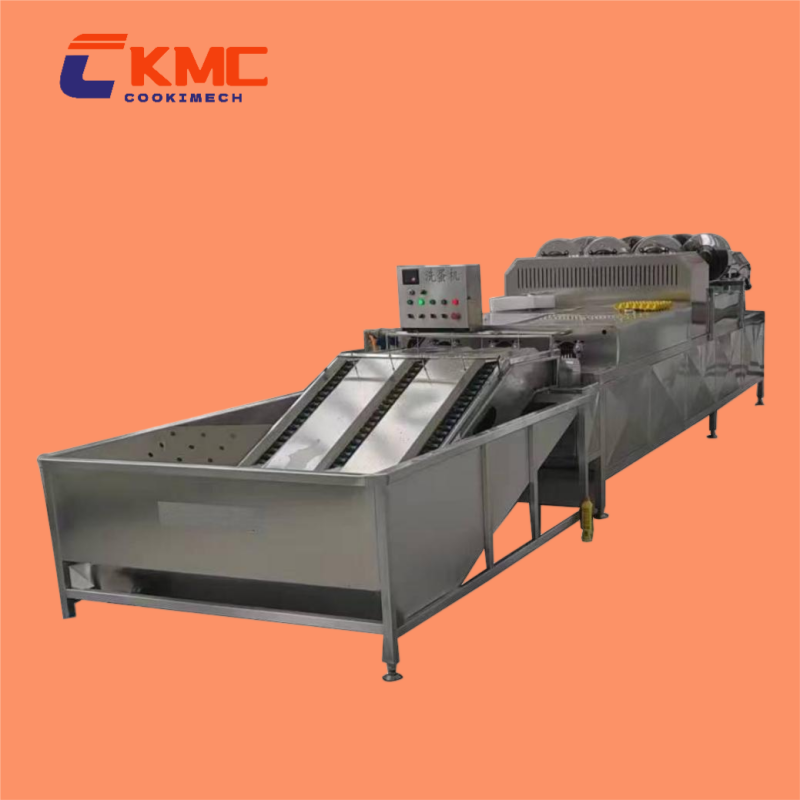
Core Functionality of the Egg Washing Machine: Stages, Components, and Process Control
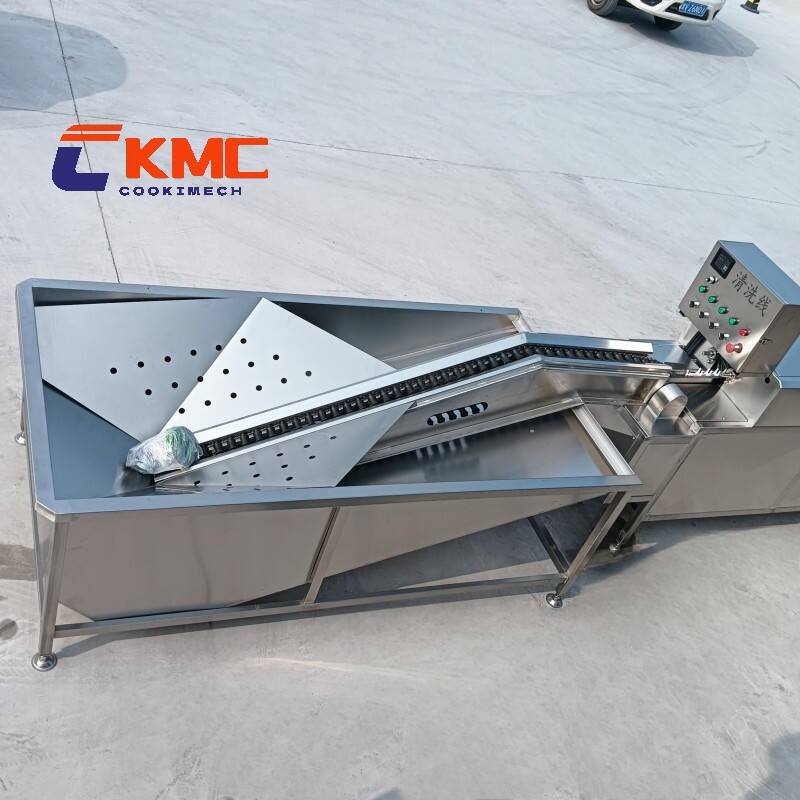
Pre-Wash, Wash, Rinse, Sanitization, and Drying: The 5-Stage Tunnel Process
Today's egg washing systems work through a five step tunnel process that gets rid of dirt and grime while keeping those delicate shells intact. First comes the pre-wash where warm water around 40 to 50 degrees Celsius helps knock off stuff like bits of feathers and whatnot from chicken poop. Next up is the actual washing stage. They spray food safe cleaning agents under pressure to tackle organic messes without messing with the protective layer on the eggshell. After that there's a good rinse using drinkable water to wash away any leftover soap. For killing germs they use something called PAA which the EPA has approved. When applied properly according to tested amounts and timing, this stuff knocks out about 99.7 percent of Salmonella bacteria according to USDA studies from last year. The final step dries everything off really carefully with filtered air kept at just the right temps between 45 and 60 degrees Celsius. This whole process takes only 45 to 90 seconds per batch, making sure no new bacteria can grow after cleaning. These machines run smoothly together handling anywhere from 120 to 600 eggs every minute thanks to sensors monitoring temperatures and water flow rates so nothing gets too hot or shocking for the eggs.
Critical Hardware Elements: Spray Nozzles, Rotating Brushes, and Precision Drying Systems
Cleaning performance really comes down to three main parts: those stainless steel spray nozzles, the nylon rotating brushes, and the multi zone drying system. These nozzles spread out the cleaning solution evenly between 15 to 30 psi pressure, and they're built so they don't get clogged easily after running through thousands of cleaning cycles. The brushes spin around at speeds from 120 to 200 rpm, with bristles that match exactly what kind of eggs we're dealing with - bigger or smaller, graded differently. This setup gets rid of stubborn biofilms without cracking delicate shells. For drying, there's centrifugal blowers working together with infrared sensors that actually change how fast air moves (about 2 to 5 meters per second) depending on where in the system it is, making sure everything dries completely without leaving any residue behind. Some recent studies published in the Journal of Food Protection back this up, showing that even tiny problems like a brush being off by just 0.1mm or worn out nozzles can let bacteria stick around up to 18% more than normal. That's why regular checks every day are so important for keeping things clean and safe.
Bacterial Reduction Efficacy: Validated Performance of the Egg Washing Machine
Salmonella and Aerobic Plate Count Reduction: Real-World Data from USDA-FDA Audits
When egg washing machines are run according to their specifications, they really cut down on pathogens. According to USDA and FDA audits, these systems can knock out about 99.7% of Salmonella when everything works just right. That impressive number comes from several factors working together: built-in cleaning processes, exact timing during the wash cycle, and complete coverage of the egg surfaces with disinfectant. Looking at aerobic plate counts (which basically measure how much bacteria is present overall), facilities that have been checked show around a 2.5 log drop after washing. These improvements translate into real business advantages too. Eggs last significantly longer on shelves sometimes as much as 25% extra time before they go bad. There's also less waste overall, which matters a lot for cost control. Plus, producers can ship their eggs further because major retailers demand Grade AA quality standards and proper tracking capabilities throughout the supply chain.
How Equipment Calibration and Maintenance Directly Impact Microbial Control Outcomes
The results we see with microbes aren't just built into the equipment itself but come down to how well everything gets set up and kept running right. Getting those spray nozzles aligned correctly matters a lot, along with making sure there's enough sanitizer in the mix and that brushes press against shells at just the right pressure. Even small mistakes make big differences here. If the brushes sit off by about a tenth of a millimeter, bacteria stick around 18% more than they should. And if the sanitizer levels fluctuate too much, it leaves gaps where pathogens can hide deep inside pores. Regular checks on the drying systems are crucial too since leftover moisture after washing becomes food for unwanted bacteria growth later on. With proper care and attention to detail though, most facilities find their cleaning processes cover every single surface consistently, turning what used to be hit or miss into something that actually works reliably day after day.
Sanitizer Integration and Optimization in the Egg Washing Machine Workflow
Comparing Chlorine, Peroxyacetic Acid, and Ozone: Efficacy, Residue, and Regulatory Compliance
Choosing the right sanitizer involves weighing how well it works against safety concerns and what regulations allow. Chlorine is still pretty popular because it doesn't cost much money and can knock down pathogens by about 4 to 5 logs when concentrations reach at least 100 parts per million at around 120 degrees Fahrenheit. However, chlorine breaks down quickly in water that contains lots of organic material and needs careful monitoring to keep residues under 10 ppm according to FDA guidelines found in Title 21 CFR Section 173.315. Peroxyacetic acid, or PAA as it's commonly called, stands out for staying stable over different pH levels and achieving consistent 5-log reductions at 150 ppm concentration. Plus, it doesn't corrode equipment much and leaves behind very little residue. The downside? Some facilities might need better ventilation systems since PAA has a strong smell that can be unpleasant. Ozone is another option worth considering. It packs quite a punch with only 0.5 ppm needed for effective disinfection and leaves absolutely no chemical traces behind. But getting ozone right takes exact timing control to maintain that crucial 4 minute contact period. There are also location-specific rules to consider. For instance, Japan bans ozone treatment for shell eggs altogether while European Union standards restrict PAA residue to less than 0.5 ppm. Each choice comes with pros and cons depending on specific operational needs.
Automated monitoring and dosing systems—integrated directly into the wash tunnel—are essential for sustaining target sanitizer concentrations throughout each cycle, ensuring both efficacy and compliance.
Ensuring Market Readiness: From Shell Integrity to Automated Grading Compatibility
Quality checks after washing eggs are really important for getting these machines adopted in commercial settings. The newer egg washers keep shells intact by adjusting how hard the brushes press, controlling water temps just right, and drying eggs quickly and evenly across the batch. This prevents those tiny cracks that let moisture escape and bacteria get inside. When companies want to put these systems into operation, they run what's called Factory Acceptance Testing first. This test makes sure everything works according to industry standards, especially when it comes to working well with the automatic grading equipment that comes next in the process. These grading systems need properly calibrated sensors for weight measurement, candling inspection, and spotting defects. They also have to connect smoothly with the packing line's control systems using standard communication methods such as Modbus protocol. Getting all this to work together cuts down on hands-on work, lowers chances of contamination happening again, and keeps products consistently meeting USDA Grade AA specifications. That matters a lot because big grocery chains and international buyers demand nothing less than top quality.
FAQs
Q1: How effective are egg washing machines in reducing Salmonella?
A: Egg washing machines can reduce Salmonella presence by about 99.7% when operated within their specified parameters.
Q2: What are the main components of an egg washing machine?
A: The critical hardware elements include stainless steel spray nozzles, nylon rotating brushes, and a precision multi-zone drying system.
Q3: What sanitizers are used in egg washing machines, and what are their pros and cons?
A: Common sanitizers include Chlorine, Peroxyacetic Acid, and Ozone. Chlorine is cost-effective but may leave residues. Peroxyacetic Acid is stable and leaves minimal residue, but requires good ventilation due to its odor. Ozone leaves no chemical traces but requires precise contact timing and is subject to regional regulations.
Q4: How do maintenance and equipment calibration impact the performance of egg washing machines?
A: Regular maintenance and precise calibration of nozzles, brushes, and drying systems are crucial as misalignments can lead to reduced efficacy in bacterial reduction.
Table of Contents
- Core Functionality of the Egg Washing Machine: Stages, Components, and Process Control
- Bacterial Reduction Efficacy: Validated Performance of the Egg Washing Machine
- Sanitizer Integration and Optimization in the Egg Washing Machine Workflow
- Ensuring Market Readiness: From Shell Integrity to Automated Grading Compatibility